Sandbur
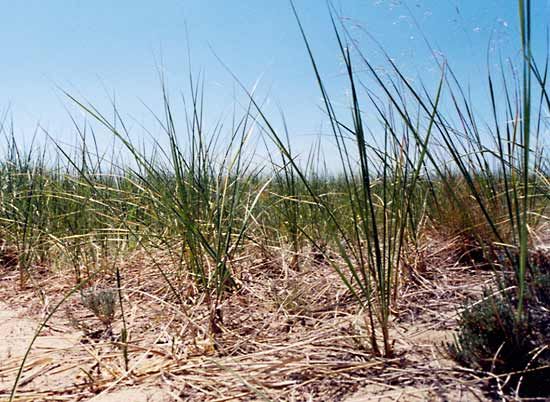
A sandbur refers to any of the 20 to 25 species of grasses belonging to the genus Cenchrus. These plants are native to warm, sandy regions across North…
What is Sandbur?
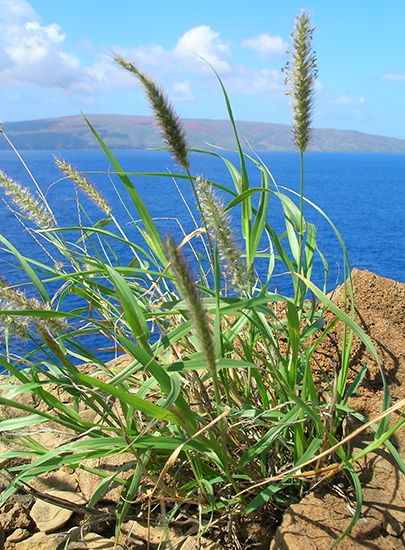
A sandbur refers to any of the 20 to 25 species of grasses belonging to the genus Cenchrus. These plants are native to warm, sandy regions across North America, North Africa, Asia, Europe, and the South Pacific.1
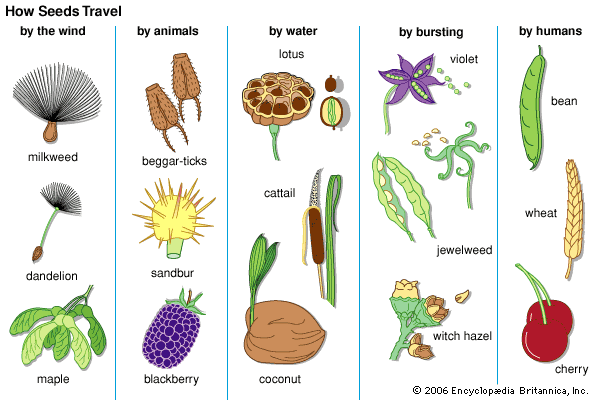
Sandburs are typically shallow-rooted annuals or perennials that grow less than 100 cm tall. While they can serve as forage for livestock when young, they eventually develop sharp-spined burs that can injure grazing animals by scratching their faces or becoming embedded in their coats. Because these plants spread easily, some varieties, such as buffel grass (Cenchrus ciliaris), are considered invasive species when introduced outside their native habitats.1
Taxonomically, sandburs are classified within the Poaceae family, which includes many other types of grasses.1
Why are sandburs considered invasive species?
Sandburs are considered invasive species primarily because they are weedy plants that spread readily when introduced outside of their native range.1
While the provided search results do not detail the specific ecological mechanisms of sandbur encroachment, they note that these grasses are characterized by their ability to grow easily and their tendency to produce sharp, detachable burs. These burs can be transported by animals, facilitating the plant’s dispersal into new environments where it may not have natural competitors to keep its population in check.1
It is important to note that the term “invasive” is applied to species that, once introduced to a new area, cause harm to the environment, the economy, or human health by outcompeting native flora and disrupting established ecosystems.1
What is the difference between annual and perennial plants?
The primary difference between annual and perennial plants lies in the duration of their life cycles.
Annual Plants
An annual is a plant that completes its entire life cycle within a single growing season. In these plants, the dormant seed is typically the only part that survives from one season to the next. Common examples include many cereal grains, legumes, and garden flowers like marigolds and zinnias.34
Perennial Plants
A perennial is any plant that persists for several years. These plants typically regrow and rebloom year after year, often utilizing underground modifications—such as bulbs, rhizomes, or tubers—to survive through cold climates or dormant periods. This category includes all trees and shrubs, as well as many herbaceous plants like chrysanthemums and asparagus.56
In summary, while annuals must be replanted each year after they die, perennials are capable of living for an indefinite number of years.65
How do plants use burs to spread their seeds?
Plants utilize burs as a highly effective mechanism for seed dispersal through a process known as epizoochory, which involves the inadvertent transport of seeds by animals.789
These seeds and fruits are equipped with specialized structures—such as spines, hooks, claws, bristles, barbs, grapples, or prickles—that allow them to cling tenaciously to the fur of passing terrestrial mammals. By acting as “hitchhikers,” these plants ensure their seeds are carried to new locations, which helps reduce competition between parent plants and their offspring while facilitating the colonization of new areas.7910
The functional design of these burs varies by species:
- Hooks: Found on the fruit itself in plants like cleavers or on the persistent calyx of agrimony.789
- Hooked Styles: Seen in wood avens, where the persistent styles provide the gripping mechanism.79
- Trample Burrs: Specialized structures, such as those on the African grapple plant, that lodge themselves between the hooves of large grazing mammals.79
Sources
- sandbur — Encyclopædia Britannica
- Japanese knotweed — Encyclopædia Britannica
- Is That Plant 'Perennial' or 'Annual'? — Merriam-Webster
- Perennial — Encyclopædia Britannica
- Annual — Encyclopædia Britannica
- Growing season — Encyclopædia Britannica
- Seed - Dispersal by animals — Encyclopædia Britannica
- Seed dispersal — Encyclopædia Britannica
- Fruit - Animal dispersal — Encyclopædia Britannica
- Seed dispersal - Mammals — Encyclopædia Britannica
- Seed dispersal - Zoochory: animal dispersal — Encyclopædia Britannica
Published on · 3 min read