Smallage
Smallage (Apium graveolens) is a strongly scented, erect, biennial herb belonging to the Apiaceae family, which is also known as the parsley or carrot…
What is smallage?
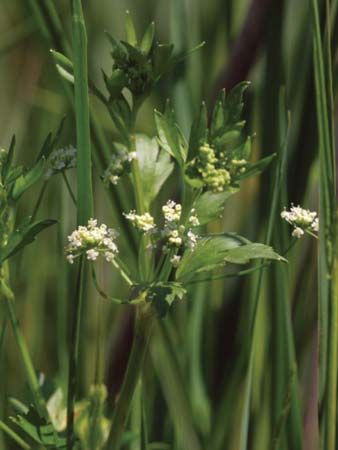
Smallage (Apium graveolens) is a strongly scented, erect, biennial herb belonging to the Apiaceae family, which is also known as the parsley or carrot family. It is widely recognized as the wild form of the common culinary celery common culinary celery.1234
Found in moist environments throughout temperate regions, smallage is characterized by thin, hollow stalks and a bitter flavor compared to its cultivated counterparts. Historically, the plant held significant cultural value; for instance, it was used in funerary garlands in ancient Egypt and woven into wreaths for victors of the Nemean and Isthmian games in ancient Greece.124
In terms of utility, smallage is used as a flavoring agent similar to celery. In traditional medicine, its roots have been utilized as a carminative, while its leaf stalks are sometimes prepared as a soothing tea.1
What is the difference between stalk celery and celeriac?
Stalk celery and celeriac are both cultivated varieties of the same species, Apium graveolens, but they are grown for different edible parts of the plant.53
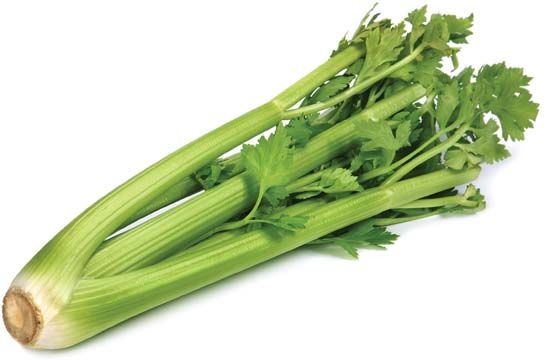
- Stalk celery (Apium graveolens variety dulce) is primarily grown for its thick, fleshy leaf stalks (petioles). These are commonly eaten raw as a snack or used as a foundational aromatic ingredient in various soups, stews, and stocks.53
- Celeriac (Apium graveolens variety rapaceum) is cultivated specifically for its large, bulbous root. Unlike stalk celery, which is prized for its crisp stems, celeriac is valued for this edible root structure.53
Both varieties represent a significant departure from the plant’s wild ancestor, smallage, which features thin, hollow stalks and a more bitter flavor profile.3
How did ancient civilizations use wild celery in rituals?
In ancient civilizations, wild celery—often referred to as smallage—held significant symbolic and ritualistic importance.
In ancient Egypt, the plant was associated with funerary rites; notably, wild celery leaves were discovered within the tomb of King Tutankhamun as components of funerary garlands.35
The ancient Greeks also utilized the plant in ceremonial contexts, most prominently in athletics. Winners of the Nemean Games and the Isthmian Games were honored with wreaths fashioned from wild celery leaves. Beyond these ritualistic uses, the Greeks also employed the plant as a culinary herb.35
What are some other common plants in the Apiaceae family?
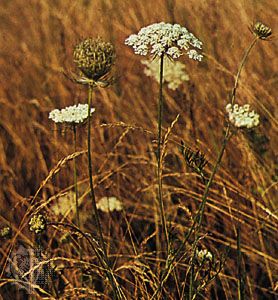
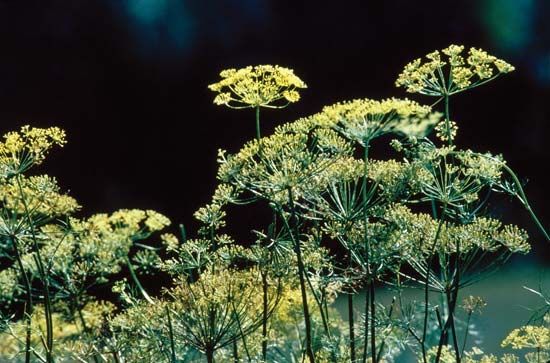
The Apiaceae family, also known as the parsley or carrot family, comprises nearly 3,820 species of flowering plants. These plants are typically aromatic herbs characterized by hollow stems and flat-topped flower clusters called umbels.64
While some members are valued as common vegetables and spices, it is important to note that the family also includes highly toxic species, such as poison hemlock and water hemlock, which contain harmful alkaloids.64
Commonly used plants in this family include:
Sources
- smallage — Encyclopædia Britannica
- smallage — Merriam-Webster
- celery — Encyclopædia Britannica
- Apiaceae — Encyclopædia Britannica
- celery: Top Questions — Encyclopædia Britannica
- list of plants in the family Apiaceae — Encyclopædia Britannica
Published on · 2 min read