Is a Tomato a Fruit or a Vegetable?
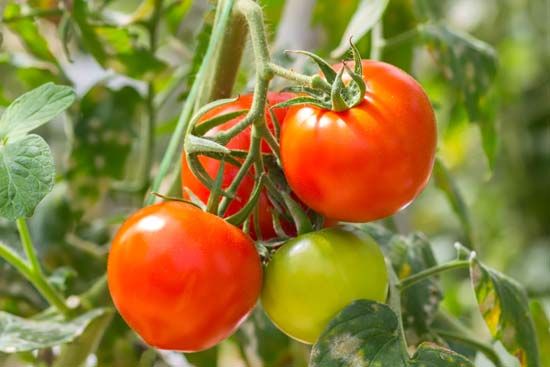
The answer to whether a tomato is a fruit or a vegetable is that it is both, depending on the context.
Is a Tomato a Fruit or a Vegetable?
The answer to whether a tomato is a fruit or a vegetable is that it is both, depending on the context.
Botanically, a fruit is defined as the ripened ovary of a flowering plant that contains seeds. Because tomatoes develop from a flower and contain seeds, they are classified as fruits by botanists.123
In a culinary and nutritional context, however, the term vegetable is used to describe various edible plant parts—including roots, stems, leaves, and certain botanical fruits—that are typically served as part of a main dish or side rather than as a dessert. Because tomatoes are generally savory and used in prepared dishes, they are widely considered vegetables by nutritionists and in common usage.134
Ultimately, there is no strict rule forcing a choice between the two labels; the classification simply depends on whether you are speaking from a botanical or a culinary perspective.13
What other common foods are botanically classified as fruits?
Many common foods that we treat as vegetables in the kitchen are, in fact, botanically classified as fruits. In botany, a fruit is the ripened ovary of a flowering plant that contains seeds, serving as the plant’s reproductive body.167
Because they develop from flowers and contain seeds, the following items are all botanically classified as fruits:167
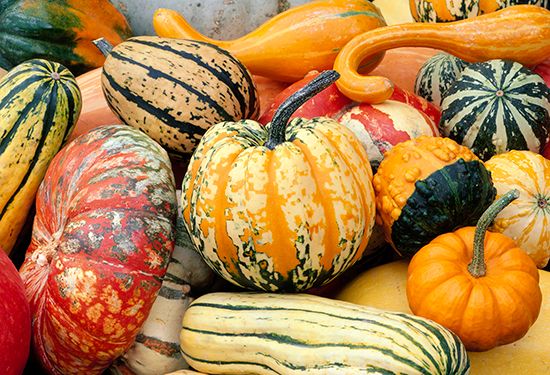
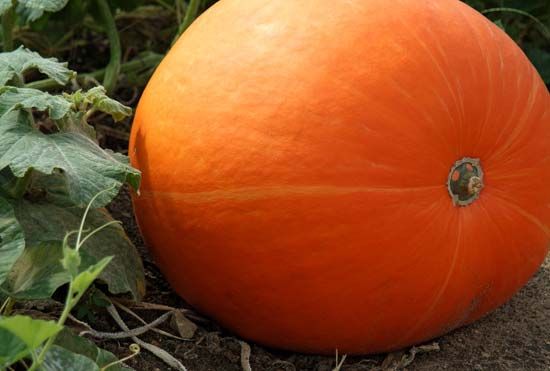
- Squash and Gourds: This includes zucchini, pumpkin, cucumber, and various types of squash.165
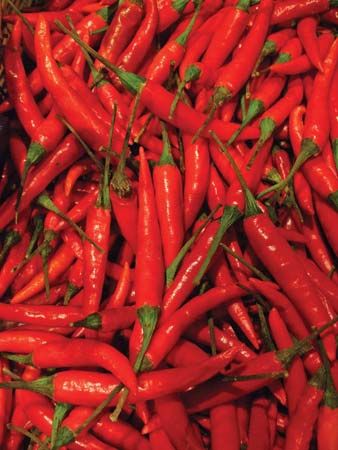
- Nightshades: Beyond the tomato, both eggplant and bell peppers are botanical fruits.165
- Legumes and Grains: Many items we categorize as seeds or pods, such as green beans, peas, and even corn, fit the botanical definition of a fruit.157
- Others: Avocados, olives, and okra are also technically fruits.5
While these are fruits by scientific definition, they are widely regarded as vegetables in culinary and nutritional contexts because they are typically savory and served as part of a main dish or side, rather than as a sweet dessert.157
What are some other members of the nightshade family?
The Solanaceae family, commonly known as the nightshade or potato family, includes a diverse range of plants that are significant for food, medicine, and ornamental use. While the family is famous for its edible crops, it also contains several highly poisonous species due to the presence of alkaloids.910
Economically Important Food Crops
Beyond the tomato, potato, and eggplant, the family includes:91110
- Peppers: The genus Capsicum encompasses all fleshy-fruited peppers, including bell peppers, chili peppers, cayenne, tabasco, and pimiento.910
- Physalis species: This group includes the ground cherry, Cape gooseberry, and tomatillo.berry), and tomatillo.12
Medicinal and Ornamental Plants
Many members of this family are cultivated for their chemical properties or aesthetic value:910
- Recreational and Medicinal: Tobacco (Nicotiana) is a well-known member, as are poisonous plants like belladonna, jimsonweed, and henbane.910
- Ornamentals: Popular garden plants include petunias, angel’s trumpets, and Chinese lanterns.910
It is important to note that while some nightshades are staples of the human diet, others contain toxins that can be dangerous if ingested.911
How do plants use their fruits to help spread seeds?
Plants utilize their fruits as specialized structures for the protection and dissemination of their seeds, ensuring the next generation can colonize new areas and avoid competing with the parent plant for resources. Evolution has driven the development of various ingenious adaptations that allow fruits and seeds to travel via wind, water, or animals.1314152
Primary Methods of Dispersal
- Animal Interaction: Many plants produce fleshy, sweet, and brightly colored fruits to attract vertebrates. Animals may ingest these fruits, later excreting the seeds—often in a nutrient-rich environment—at a distance from the parent. Some seeds even require passage through an animal’s digestive tract to break dormancy. Other fruits use hooks, barbs, or sticky mucilage to hitchhike on the fur or feathers of passing animals.152
- Wind: Fruits and seeds adapted for wind travel are often lightweight or equipped with aerodynamic structures. Examples include the feathery “pappus” of a dandelion, the winged “whirlybirds” (samaras) of maple trees, and papery edges that allow seeds to glide or flutter.152
- Water: Aquatic and coastal plants often produce buoyant fruits that can float for long distances. The coconut, for instance, is protected by a water-impermeable husk that allows it to survive months at sea before rooting on a new shore.152
- Mechanical Force: Some plants employ explosive mechanisms to forcefully eject their seeds. This can involve built-up water pressure, as seen in the squirting cucumber, or the tension created by drying fruit capsules, which can launch seeds over great distances.152
Sources
- Is a Tomato a Fruit or a Vegetable? — Encyclopædia Britannica
- Fruit — Encyclopædia Britannica
- Tomato — Encyclopædia Britannica
- Vegetable: Top Questions — Encyclopædia Britannica
- Vegetable farming — Encyclopædia Britannica
- Fruit vs. Vegetable — Merriam-Webster
- list of vegetables — Encyclopædia Britannica
- list of culinary fruits — Encyclopædia Britannica
- Solanaceae — Encyclopædia Britannica
- Solanales - Family characteristics — Encyclopædia Britannica
- Nightshade — Encyclopædia Britannica
- list of economically important members of the family Solanaceae — Encyclopædia Britannica
- Angiosperm - Mechanisms of dispersal — Encyclopædia Britannica
- Fruit - Dispersal — Encyclopædia Britannica
- Seed dispersal — Encyclopædia Britannica
- Falling Far from the Tree: 7 Brilliant Ways Seeds and Fruits Are Dispersed — Encyclopædia Britannica
Published on · 4 min read