Water Rail
The water rail (Rallus aquaticus) is a slender marsh bird belonging to the family Rallidae (order Gruiformes), native to regions across Europe and Asia.…
What is Water rail?
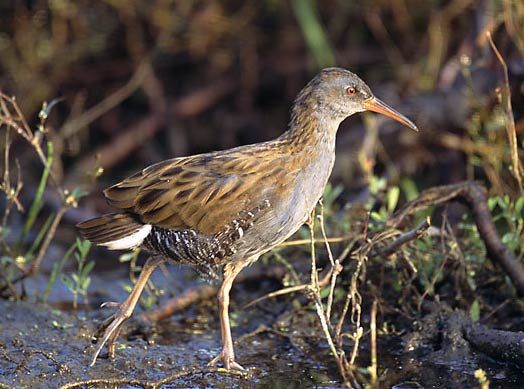
The water rail (Rallus aquaticus) is a slender marsh bird belonging to the family Rallidae (order Gruiformes), native to regions across Europe and Asia. Measuring approximately 28 cm (11 inches) in length, this bird is characterized by a moderately long beak and distinctive black and white bands along its sides.1
While the term specifically refers to R. aquaticus, it is also used as a general name for the broader tribe of birds known as Rallini. In some English dialects, the term has historically been used to refer to the moorhen. It is important to distinguish this avian species from the adjective “rail-water,” which describes a method of transportation involving both railroad and waterway systems. You can learn more about these birds by visiting the rail entry.123
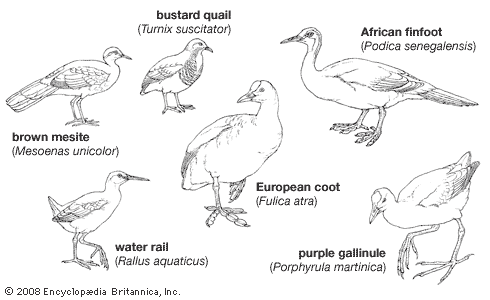
What are the physical characteristics of the Rallidae family?
Members of the Rallidae family, which includes rails, coots, crakes, and gallinules, generally share several distinct physical characteristics:
- Body Shape: They are typically slender, somewhat chicken-shaped marsh birds, though their build can vary significantly in size, ranging from approximately 11 to 45 cm (4 to 18 inches) in length.4
- Wings and Tail: These birds possess short, rounded wings and a short tail.4
- Feet and Toes: They are characterized by having large feet and long toes, which aid in their movement through marshy environments.4
- Coloration: Most species are dull-colored, featuring shades of gray and brown. Many exhibit irregular, barred patterns across their plumage.4
- Adaptations: Their slender build is specifically adapted for running through reeds and marsh grasses. While many are capable of flight, they often take wing reluctantly; notably, several flightless species have evolved on remote oceanic islands.4
Where do water rails typically build their nests?
The provided search results do not contain specific information regarding the nesting habits of the water rail (Rallus aquaticus). While the results provide extensive details on the reproductive behavior of waterfowl and the general physical characteristics of the Rallidae family, they do not specify where water rails typically build their nests.
What other types of birds live in marshy habitats?
Marshy habitats support a diverse array of bird species, ranging from specialized shorebirds to various waterfowl. Because wetlands serve as vital transition zones, they provide essential food and shelter for many organisms.8
Common Marsh-Dwelling Birds
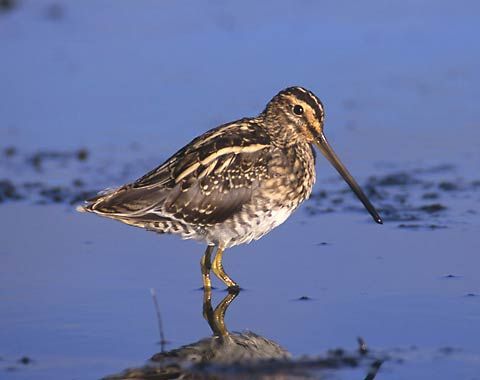
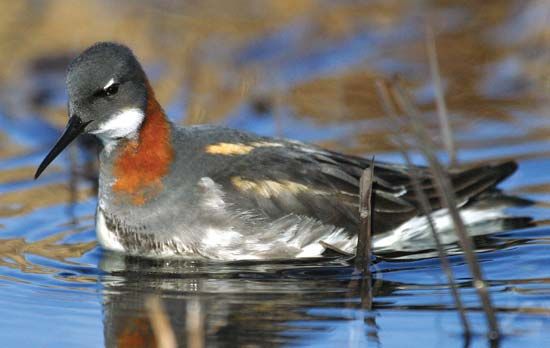
- Shorebirds: Many species within the suborder Charadrii frequent marshes. This includes phalaropes, which nest in marshes or sedges near water, and avocets and stilts, which often nest in grassy marshes with shallow open water. Additionally, snipe are known to inhabit marshy areas.91
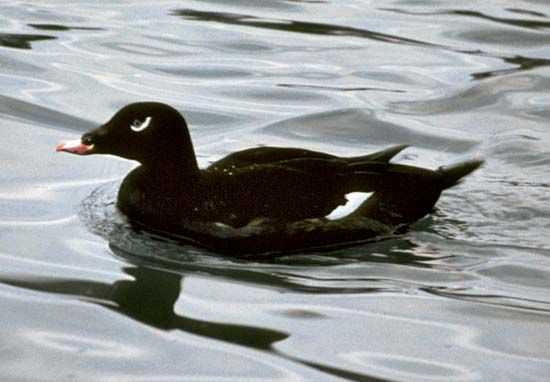
- Waterfowl: Wetlands are primary habitats for many waterfowl, including the northern pintail, scaup, and scoters.1
- Wading Birds: This group includes long-legged birds such as herons, bitterns, storks, and ibises, which wade through water to forage for food.10
- Other Species: The marsh wren is another bird specifically associated with these environments.5
These ecosystems are highly productive and act as critical refuges for many species, though they are often threatened by degradation and human development.8
Sources
- Water rail — Encyclopædia Britannica
- water rail — Merriam-Webster
- rail-water — Merriam-Webster
- Rallidae — Encyclopædia Britannica
- Rail — Encyclopædia Britannica
- Rallidae — Merriam-Webster
- Anseriform - Reproductive behaviour — Encyclopædia Britannica
- Taiga - Birds — Encyclopædia Britannica
- Charadriiform - Shorebirds (suborder Charadrii) — Encyclopædia Britannica
- wading bird — Merriam-Webster
- Pelecaniform - Physiological adaptations — Encyclopædia Britannica
- marsh wren — Merriam-Webster
- Wetland - Wetland functions and ecosystem benefits — Encyclopædia Britannica
- Bird: Top Questions — Encyclopædia Britannica
Published on · 2 min read