5 Questions About Dinosaurs Answered
Here are five common questions about dinosaurs answered by Britannica:
What are 5 Questions About Dinosaurs Answered?
Here are five common questions about dinosaurs answered by Britannica:
- What are dinosaurs? Dinosaurs were a diverse group of reptiles that served as the dominant terrestrial life form during the Mesozoic Era, appearing roughly 245 million years ago.1
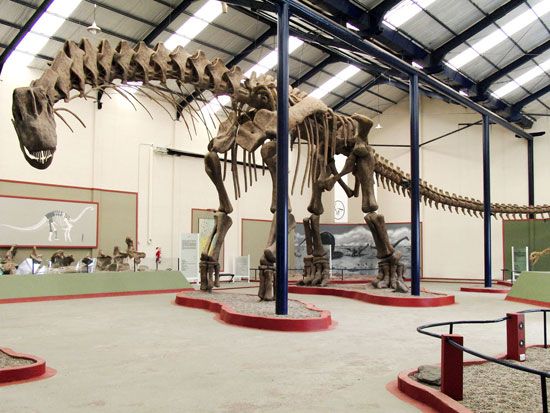
- What is the largest dinosaur? While estimates vary, the Argentinosaurus is a leading contender, estimated to have reached 37 to 40 meters (121 to 131 feet) in length and weighing up to 100 metric tons.1
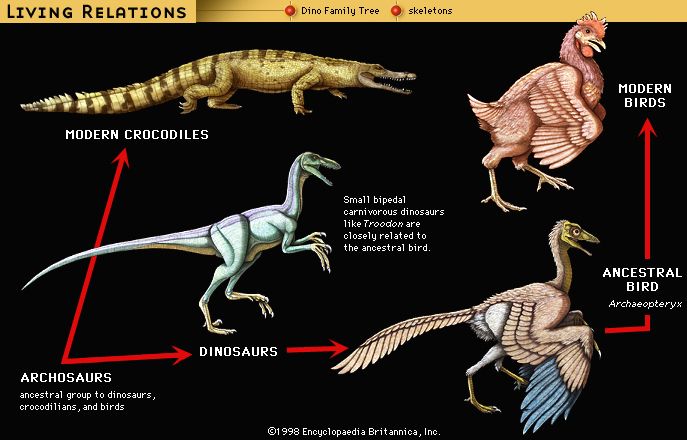
- Do dinosaurs exist today? Yes; it is widely accepted that modern birds are the living descendants of theropod dinosaurs.21
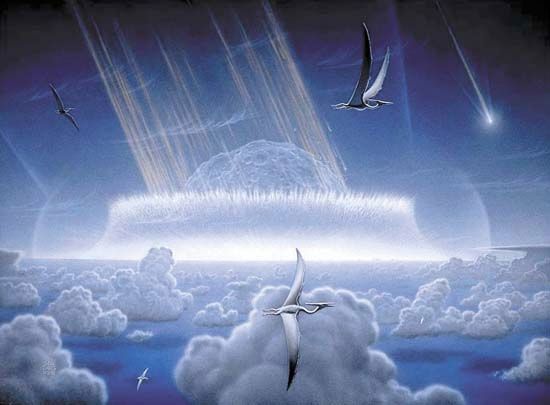
- How did most dinosaurs go extinct? The most popular theory is that an asteroid impact 66 million years ago caused catastrophic environmental changes, including blocking sunlight, which devastated global food chains.21
- Did mammals and dinosaurs exist at the same time? Yes, mammals emerged during the Triassic Period and lived alongside dinosaurs throughout the Mesozoic Era.1
How do scientists determine what dinosaurs ate based on their teeth?
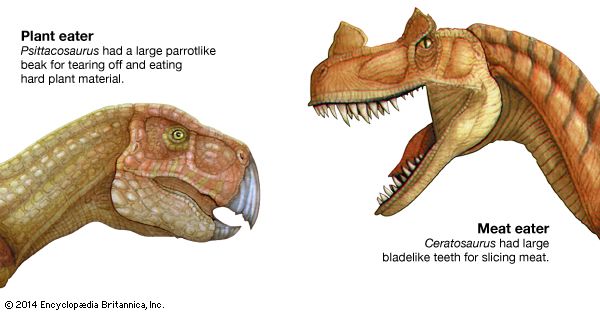
Scientists infer the diets of dinosaurs by analyzing their teeth, jaw mechanisms, and overall body plans. By examining wear patterns and the structural arrangement of teeth, researchers can reconstruct how these animals processed food.39
Key methods and observations include:
- Dental Batteries: Some herbivores, such as hadrosaurs, possessed large batteries of tightly compressed teeth that formed long surfaces for crushing or grinding tough vegetation.310
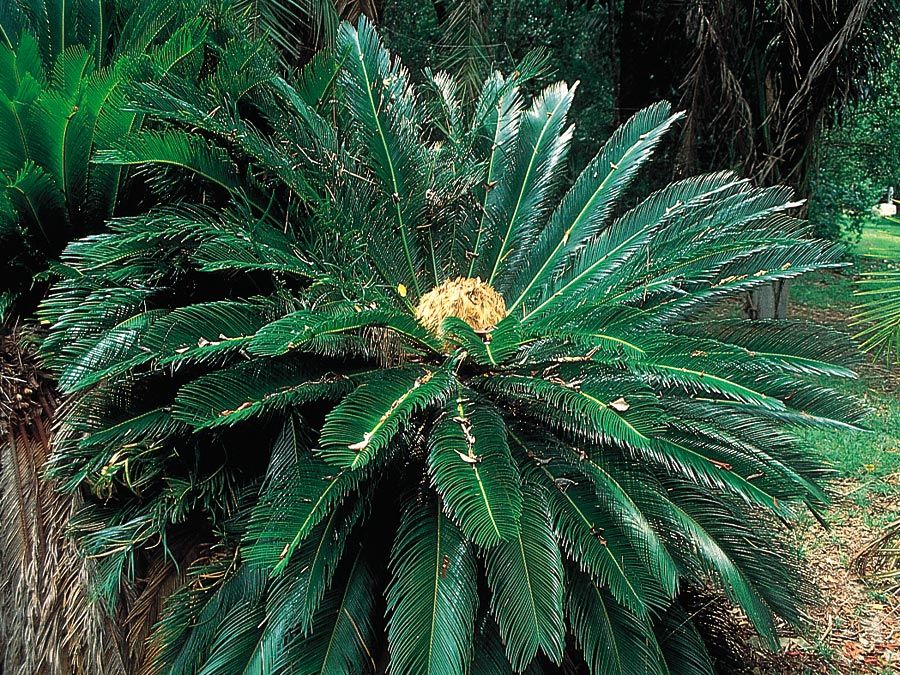
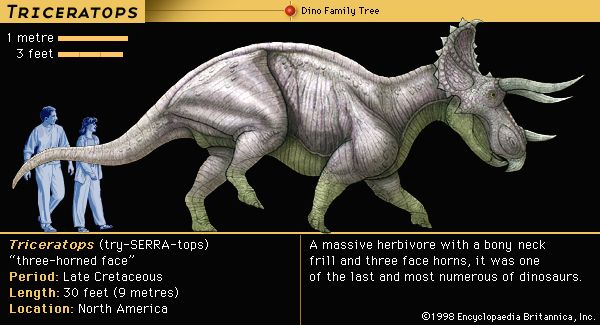
- Shearing Blades: Ceratopsians like Triceratops featured teeth that acted as serrated shearing blades. While such teeth are typically associated with flesh-eaters, the animal’s bulky body and hooflike feet confirm it was a plant-eater adapted for slicing fibrous materials like palm or cycad fronds.3
- Occlusion and Wear: Scientists study how teeth meet (occlusion) to determine if they were used for grinding, shearing, or simple nipping. Self-sharpening mechanisms, maintained by hard enamel on specific sides of the teeth, indicate specialized chewing capabilities.10
- Biomechanical Modeling: Researchers use mechanical and theoretical models to simulate jaw movements and analyze tooth wear, helping them understand the specific feeding habits and capabilities of extinct species.9
What are the main differences between dinosaurs and other prehistoric reptiles like pterosaurs?
While dinosaurs and pterosaurs are both archosaurs—a group known as “ruling reptiles”—they represent distinct evolutionary lineages with significant anatomical differences.11
Key Differences
- Flight and Anatomy: Pterosaurs were the first vertebrates capable of flight. Their wings were formed by a membrane of skin attached to an elongated fourth finger, whereas dinosaurs (excluding birds) were strictly terrestrial.112
- Stance and Locomotion: A defining characteristic of dinosaurs is that they held their limbs directly under their bodies in a columnar fashion, similar to modern mammals. In contrast, while some pterosaurs were bipedal, others walked on all fours, and their ground locomotion varied significantly, ranging from plantigrade to digitigrade styles.112
- Skeletal Structure: Dinosaurs are distinguished by having five vertebrae in their hips, whereas most other reptiles have only two. Pterosaurs, conversely, evolved hollow, thin-walled bones to minimize weight for flight, a feature not shared by the broader dinosaur clade.112
- Evolutionary Relationship: Although they share a common ancestor, they belong to separate groups: dinosaurs are part of the Dinosauromorpha clade, while pterosaurs belong to the Pterosauromorpha.12
How did the evolution of birds from theropod dinosaurs occur?
The scientific consensus is that birds evolved from small, carnivorous theropod dinosaurs. This evolutionary transition is supported by extensive fossil evidence, particularly from the Liaoning deposits in China, which reveal that many non-avian theropods possessed feathers and other avian-like anatomical features long before flight evolved.14151617
Key Evolutionary Developments
- Feathers: Initially, feathers were not used for flight. They likely evolved as simple, filamentous structures for insulation, camouflage, display, or brooding eggs. Over time, these structures became more complex, eventually developing the aerodynamic properties necessary for flight.1815
- Shared Anatomy: Birds and theropods share numerous skeletal traits, including hollow, thin-walled bones, a wishbone, a breastbone, and air sacs in the backbones. Furthermore, they share a unique wrist joint that allows the hand to flex sideways—a motion originally used for catching prey that later became essential for avian flight.1615
- Transitional Fossils: Specimens such as Archaeopteryx demonstrate a mix of dinosaurian traits (teeth, long tail) and avian characteristics (wings, feathers), serving as a critical link in understanding this transition.1615
Sources
- How long did dinosaurs live? — Encyclopædia Britannica
- dinosaur — Encyclopædia Britannica
- dinosaur - The plant eaters — Encyclopædia Britannica
- dinosaur - Growth and life span — Encyclopædia Britannica
- 5 Questions About Dinosaurs Answered — Encyclopædia Britannica
- dinosaur - Modern studies — Encyclopædia Britannica
- sauropod — Encyclopædia Britannica
- dinosaur - Dinosaur ancestors — Encyclopædia Britannica
- dinosaur - Ornithopoda — Encyclopædia Britannica
- mammal - Teeth — Encyclopædia Britannica
- pterosaur — Encyclopædia Britannica
- dinosauromorph — Encyclopædia Britannica
- Pteranodon — Encyclopædia Britannica
- Bird - Evolution and paleontology — Encyclopædia Britannica
- Archaeopteryx — Encyclopædia Britannica
- feathered dinosaur — Encyclopædia Britannica
- dinosaur - Theropoda — Encyclopædia Britannica
- dinosaur - Dinosaur descendants — Encyclopædia Britannica
Published on · 4 min read