6 of the World’s Most Dangerous Birds
While many birds are generally harmless, some species can be dangerous due to their territorial nature, defensive instincts, or physical capabilities. Here…
What are 6 of the World’s Most Dangerous Birds?
While many birds are generally harmless, some species can be dangerous due to their territorial nature, defensive instincts, or physical capabilities. Here are six of the world’s most dangerous birds:
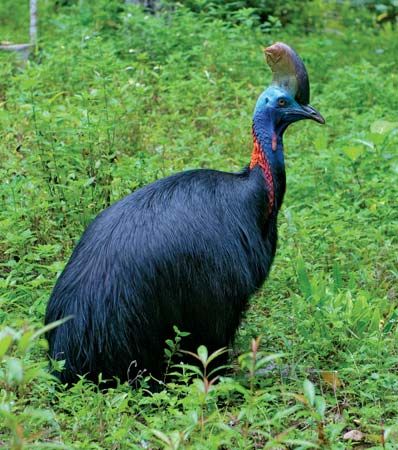
- Cassowary: Native to Australia and New Guinea, these large, flightless birds are considered among the most dangerous in the world. They possess a long, daggerlike claw on their middle toe capable of inflicting fatal wounds to humans.12
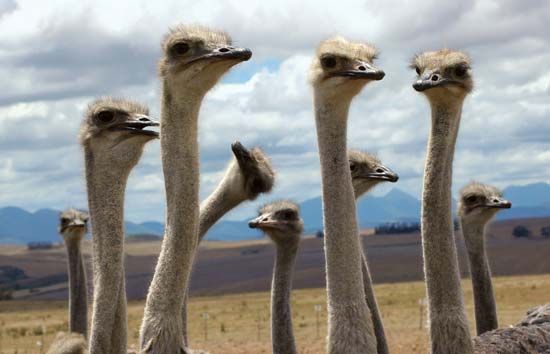
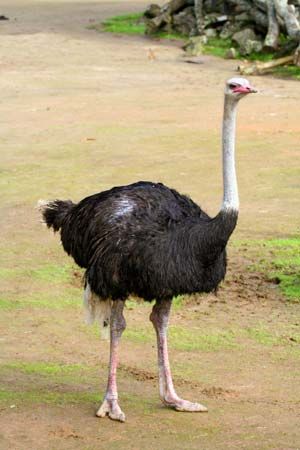
- Ostrich: As the world’s largest bird, the ostrich can reach speeds of 45 mph. When cornered, they deliver powerful kicks that are strong enough to kill large predators like lions.12
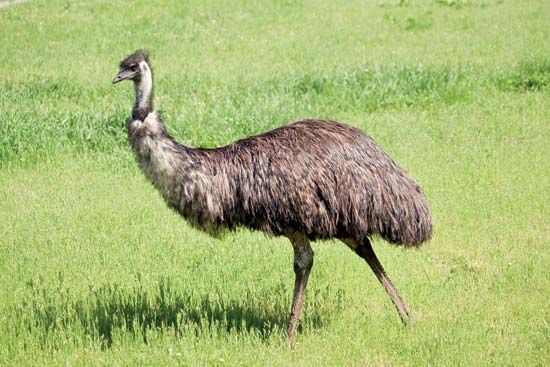
- Emu: Similar to the cassowary, the emu is a large, stout-bodied bird that can kick with its powerful three-toed feet. While human fatalities are extremely rare, they are known to be aggressive and have caused numerous injuries.2
- Great horned owl: These birds are powerful predators that often attack when defending their territory or young. Their talons have a crushing force of up to 500 psi, which can be lethal or cause permanent disfigurement.2
- Barred owl: These owls have been known to attack hikers and have been involved in high-profile incidents where their aggressive behavior was scrutinized in relation to human injuries.2
- Lammergeier: Also known as the bearded vulture, this large bird is famous for dropping bones and tortoises from great heights to crack them open. While attacks on humans are rare or anecdotal, their size and behavior make them formidable.2
How do birds use their talons and beaks as defense mechanisms?
Birds utilize their beaks and talons as essential tools for survival, primarily for feeding and defense. While these structures are often specialized for foraging, they also serve as formidable weapons when birds need to protect their territory, mates, or young from predators and other threats.5
Talons as Defensive Weapons
For many birds, particularly birds of prey, the feet are the primary instruments for both killing and defense. These appendages are often equipped with sharp, powerful talons designed for grasping, piercing, or paralyzing prey.26
- Striking and Slashing: Some species, such as the cassowary, possess a long, daggerlike nail on their innermost toe, which they use to deliver lethal slashing blows when threatened. Similarly, ostriches and emus use their powerful, heavy-toed feet to deliver kicks capable of injuring or killing large predators.5
- Clutching Force: Raptors like the great horned owl use their talons to strike at the head and face of perceived threats. Their grip can exert immense pressure, capable of causing permanent injury or disfigurement.5
Beaks as Defensive Tools
While the beak (or bill) is primarily adapted for food-getting, preening, and nest-building, it also functions as a defensive weapon.7
- Pecking and Tearing: In defensive encounters, birds may use their bills to peck or bite at intruders. For instance, owls have been known to scratch and peck at humans who venture too close to their nests.5
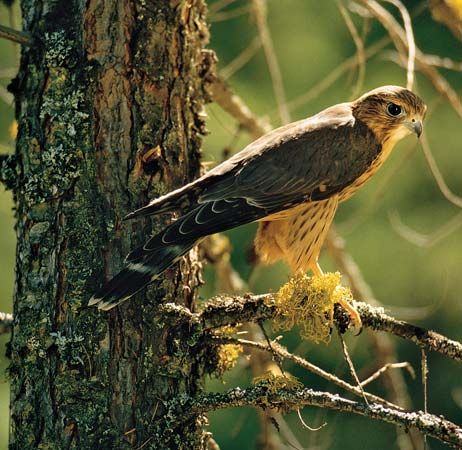
- Structural Adaptations: The shape of the bill often dictates its defensive utility. Birds of prey, such as falcons, have hooked beaks designed for tearing flesh, which can also inflict significant damage during a confrontation.26
What are some examples of birds that use camouflage to avoid predators?
Many birds rely on concealing coloration to avoid detection by predators, often using their plumage to blend into their surroundings. Here are several examples of birds that utilize camouflage:
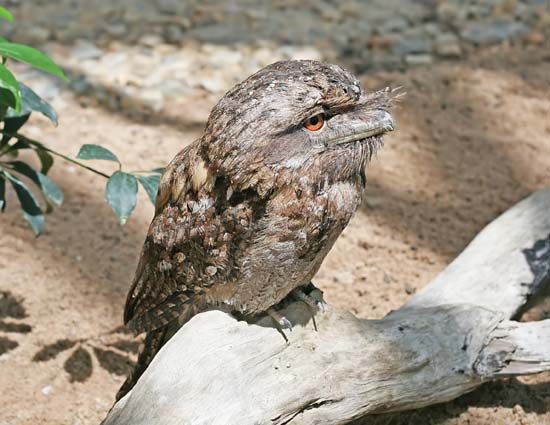
- Potoos: These nocturnal birds possess complex patterns of gray, black, and brown feathers that resemble tree bark. During the day, they perch vertically on branches, making them virtually indistinguishable from dead stubs or branches.9
- Nightjars: Members of the order Caprimulgiformes are masters of camouflage. Those that roost in woodlands have streaked and spotted plumage that mimics fallen leaves and forest detritus, while species on gravelly terrain often appear like scattered stones.10
- Frogmouths: Similar to potoos, these birds are mottled and streaked to resemble bark, allowing them to effectively mimic dead wood when they adopt a defensive posture.10
- Black-headed gulls: Beyond their physical appearance, these birds actively maintain the camouflage of their brood by removing empty, white-lined eggshells from the nest. This behavior prevents the conspicuous shells from attracting predators like crows to their otherwise hidden eggs.11
- Juvenile birds: Many young birds exhibit juvenal plumage that is drab, streaked, or spotted, which helps camouflage them while they are vulnerable and developing.12
Why do some birds become more aggressive during their nesting season?
Birds often exhibit increased aggression during the nesting season as a direct response to the need to secure and protect vital resources required for successful reproduction. This heightened behavior is driven by several key factors:1617
- Territorial Defense: Many birds establish and defend territories to ensure access to food, shelter, and safe nesting sites. During the breeding season, individuals become highly protective of these areas, aggressively excluding rivals to minimize competition and ensure the survival of their offspring.161710
- Hormonal Influence: Aggression levels in many vertebrates, including birds, are closely linked to circulating levels of androgens like testosterone. Natural fluctuations in these hormones during the breeding cycle facilitate aggressive responses, which help males compete for mates and defend their breeding grounds.1819
- Parental Care and Protection: Parents must actively defend their eggs and young from predators and other members of their own species20. This defensive behavior is a critical investment in reproductive success, as the loss of a clutch or nestlings represents a significant cost to the parents’ fitness.1720
Sources
- 8 Birds That Can’t Fly — Encyclopædia Britannica
- 6 of the World’s Most Dangerous Birds — Encyclopædia Britannica
- Extreme birds: 7 wonders of the avian world — Encyclopædia Britannica
- Bell-magpie — Encyclopædia Britannica
- Falconiform - Feet and beak — Encyclopædia Britannica
- Falconiform - Form and function — Encyclopædia Britannica
- Beak — Encyclopædia Britannica
- Charadriiform - Adaptations for feeding — Encyclopædia Britannica
- coloration - Background matching — Encyclopædia Britannica
- Animal behaviour - Natural selection in action — Encyclopædia Britannica
- Caprimulgiform - Form and function — Encyclopædia Britannica
- concealing coloration — Encyclopædia Britannica
- Plumage — Encyclopædia Britannica
- Potoo — Encyclopædia Britannica
- coloration - Optical functions: combination of concealing and advertising coloration — Encyclopædia Britannica
- Reproductive behaviour - Birds — Encyclopædia Britannica
- Passeriform - Territoriality and courtship — Encyclopædia Britannica
- Aggressive behaviour - The influence of testosterone — Encyclopædia Britannica
- Aggressive behaviour - Hormonal effects — Encyclopædia Britannica
- Animal social behavior - Social interactions involving the costs and benefits of parental care — Encyclopædia Britannica
- Aggressive behaviour - The nature of animal aggression — Encyclopædia Britannica
- Great tit: Top Questions — Encyclopædia Britannica
Published on · 4 min read