Thyme
Thyme (Thymus vulgaris) is a pungent herb belonging to the mint family (Lamiaceae). Native to Eurasia, this low-growing, woody-stemmed shrub is cultivated…
What is thyme?
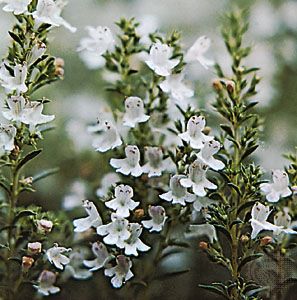
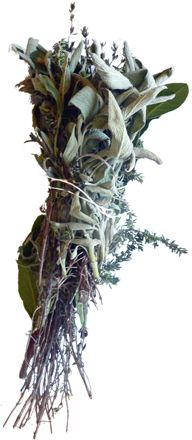
Thyme (Thymus vulgaris) is a pungent herb belonging to the mint family (Lamiaceae). Native to Eurasia, this low-growing, woody-stemmed shrub is cultivated globally for its aromatic leaves and flowering tops.12
In the kitchen, thyme is a versatile seasoning used to flavor poultry, fish, meats, soups, and pastas. Its flavor profile is often described as bitter and minty with earthy, musty, and herbal notes. The plant’s essential oil is rich in thymol, a compound also utilized in perfumes, cosmetics, and pharmaceuticals due to its antibacterial and antioxidant properties.1
Historically, the plant has been significant for millennia; Ancient Egyptians used it for embalming, and Ancient Greeks burned it in temples. The name itself is derived from the Greek thymon, which may be linked to thymos, meaning courage.12
What is the role of thymol in the plant’s essential oil?
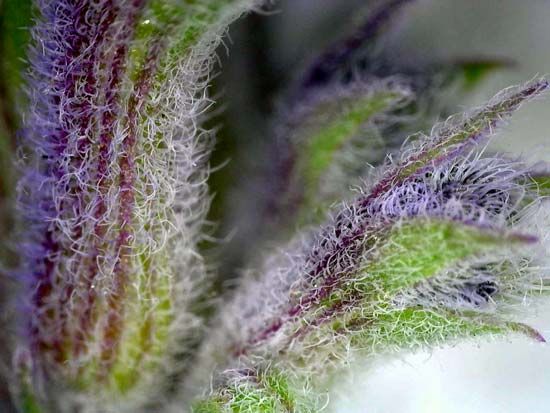
Thymol (2-isopropyl-5-methylphenol) is the principal component of thyme essential oil, constituting approximately 35 to 60 percent of its chemical composition.13
Beyond its role in defining the herb’s characteristic bitter, minty, and earthy flavor profile, thymol serves several functional purposes:
- Commercial Manufacturing: Due to its aromatic properties, it is used in the production of perfumes, dentifrices, cosmetics, and soaps.1
- Biological Activity: Thymol possesses significant antioxidant, anti-inflammatory, antibacterial, antifungal, and anesthetic properties.1
- Preservation: Because of its antiseptic qualities, it is utilized in pharmaceuticals, as a preservative, and as a fungicide as a preservative, and as a fungicide.14
Other major components of the oil include carvacrol, α-terpineol, p-cymene, limonene, γ-pinenes, and β-pinene, though the specific chemical balance can fluctuate based on harvest timing, climate, and storage conditions.1
How did ancient civilizations use thyme beyond cooking?
Beyond its culinary applications, ancient civilizations utilized thyme for a variety of ritualistic, medicinal, and preservation purposes:
- Religious and Ritual Use: Ancient Greeks burned thyme in their temples as an offering. The name itself is derived from the Greek thymon, which is linguistically linked to thymos, meaning courage, and has been historically associated with the act of sacrifice through burning to produce smoke.14
- Embalming: Ancient Egyptians are believed to have incorporated thyme into their embalming processes, likely leveraging its aromatic and preservative qualities.1
- Documented Medicine: Thyme was recognized for its therapeutic potential in significant ancient texts. It was featured in Pedanius Dioscorides’ De materia medica and Pliny the Elder’s Natural History, which served as foundational references for the medicinal knowledge of the era.1
Traditionally, these early applications laid the groundwork for the herb’s long-standing reputation in treating ailments ranging from headaches and gastric issues to respiratory conditions.12
What are some other common herbs in the mint family?
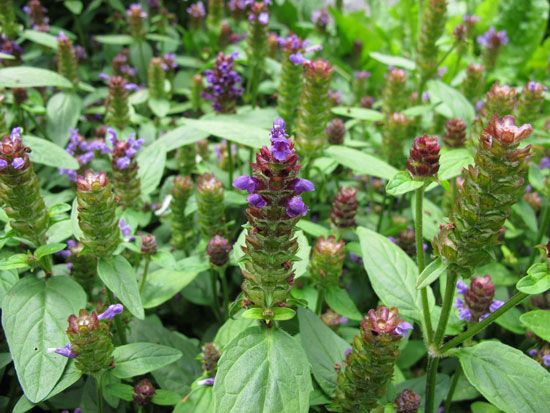
The Lamiaceae family, commonly known as the mint family, is a large group of aromatic plants characterized by square stems and opposite leaves. Beyond thyme, many other well-known culinary and medicinal herbs belong to this family:516
- Culinary Herbs: This group includes basil, marjoram, oregano, rosemary, sage, and savory.576
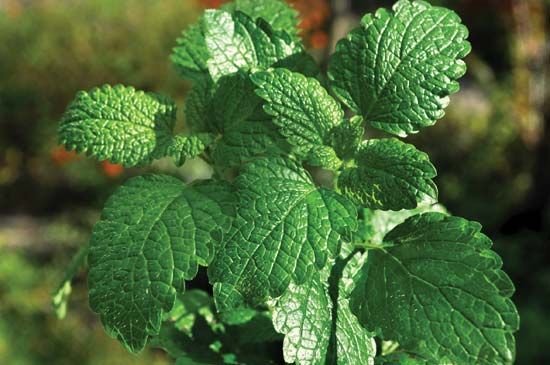
- Mints and Balms: Various species of mint, such as peppermint and spearmint, are staples of the family, alongside lemon balm.576
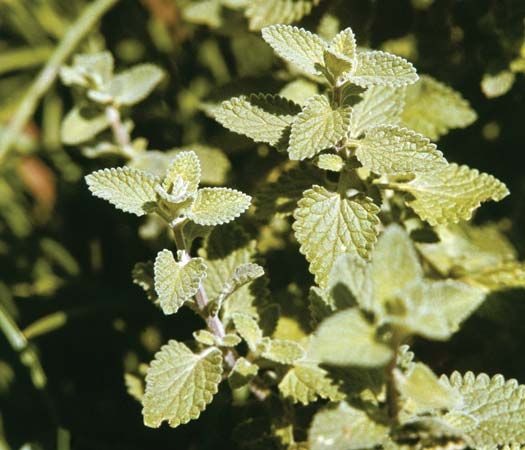
- Medicinal and Aromatic Plants: Other notable members include lavender, catnip, hyssop, horehound, and bergamot.576
- Other Uses: The family also encompasses plants like chia, patchouli, and various ornamentals such as coleus and bells of Ireland.576
These plants are widely cultivated for their essential oils, which are valued for their fragrance, flavor, and therapeutic properties.51
Sources
- thyme — Encyclopædia Britannica
- thyme — Merriam-Webster
- thymol — Merriam-Webster
- thyme: Top Questions — Encyclopædia Britannica
- Lamiales - Lamiaceae — Encyclopædia Britannica
- list of economically important members of the family Lamiaceae — Encyclopædia Britannica
- Lamiaceae — Encyclopædia Britannica
- Lamiales - Main families — Encyclopædia Britannica
- list of plants in the family Lamiaceae — Encyclopædia Britannica
Published on · 3 min read