What Are Baby Koalas Called?
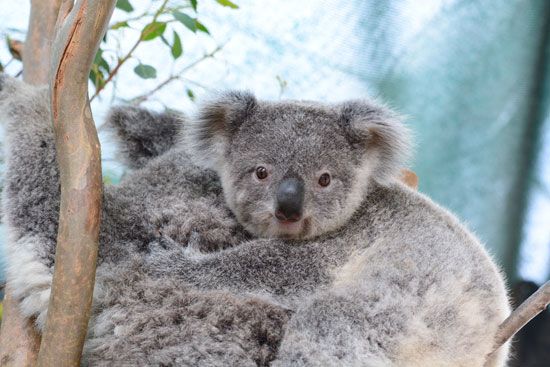
Baby koalas are called joeys. The term joey is the standard name for the young of all marsupials, including kangaroos, opossums, and wallabies.
What are baby koalas called?
Baby koalas are called joeys. The term joey is the standard name for the young of all marsupials, including kangaroos, opossums, and wallabies.1
After a brief gestation of about 34 to 36 days, a joey is born in an undeveloped state and migrates to its mother’s pouch. It remains there for approximately seven months, eventually transitioning to a diet of eucalyptus leaves before becoming fully independent around one year of age.1
What other animals are classified as marsupials?
Marsupials are a diverse group of over 250 mammalian species characterized by premature birth and the continued development of the young, often within a pouch called a marsupium. While they are most famously associated with Australia and New Guinea, they are also found in the Americas.23
The group is divided into two main superorders, Australidelphia and Ameridelphia, which include a wide variety of animals:3
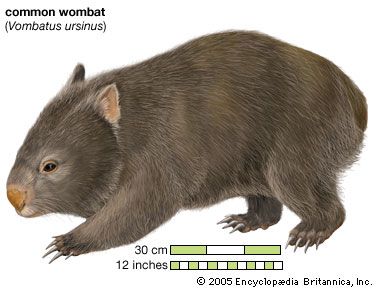
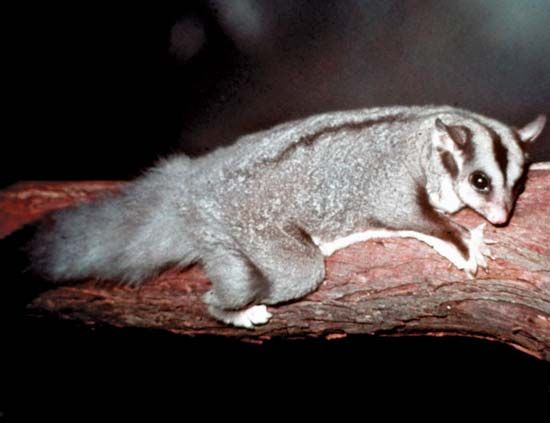
- Diprotodontia: This order includes kangaroos, wallabies, wombats, koalas, cuscuses, possums, gliders, and the honey possum.3
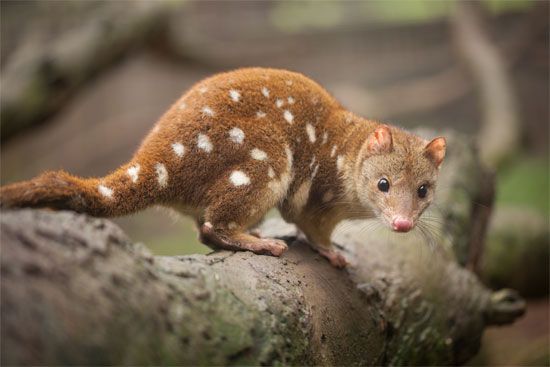
- Dasyuromorphia: Known as carnivorous marsupials, this group includes the Tasmanian devil, quolls, dunnarts, and marsupial mice.23
- Peramelemorphia: This order consists of bandicoots and bilbies.3
- Didelphimorphia: This group includes the various species of opossums found in the Americas, such as the Virginia opossum.34
- Other specialized groups: These include marsupial moles, the numbat, and the monito del monte.3
Why do koalas eat eucalyptus leaves?
Koalas feed selectively on the leaves of certain eucalyptus trees, which serve as their primary food source and habitat.67
While eucalyptus leaves are relatively poor in nutrients, koalas have evolved a specialized digestive system to process them. They possess an intestinal pouch known as a cecum, which is approximately 2 metres (7 feet) long. Within this organ, symbiotic bacteria work to degrade the tannins and other toxic, complex substances that are abundant in the leaves.67
Because this diet provides very little spare energy, koalas spend a significant portion of their day sitting or sleeping to conserve their resources.6
How do marsupials differ from placental mammals?
The primary differences between marsupials and placental mammals lie in their reproductive strategies and developmental processes.
Reproductive Differences
- Gestation and Birth: Placental mammals (eutherians) possess a true placenta, a complex organ that facilitates a long period of internal development within the womb, allowing the fetus to reach a relatively advanced stage before birth. In contrast, marsupials have a much shorter gestation period—ranging from about 8 to 40 days—resulting in the birth of young in a highly vulnerable, embryonic state.291011
- Development: After birth, marsupial young must migrate to the mother’s nipples to continue their development, often within a pouch called a marsupium. While some marsupials have a transitory placenta, their uterine walls are not specialized for the prolonged embryo implantation seen in placental mammals.1011
Anatomical and Behavioral Differences
- Brain Structure: Marsupials generally have simpler brains that lack a corpus callosum, the structure that connects the two cerebral hemispheres in placental mammals.10
- Behavior: These structural differences contribute to variations in behavior, including more limited vocal abilities and less complex social organizations compared to placental mammals.10
Sources
- What are baby koalas called? — Encyclopædia Britannica
- marsupial — Encyclopædia Britannica
- marsupial - Classification — Encyclopædia Britannica
- marsupial - Paleontology and recent history — Encyclopædia Britannica
- kangaroo — Encyclopædia Britannica
- koala — Encyclopædia Britannica
- koala: Top Questions — Encyclopædia Britannica
- eucalyptus — Encyclopædia Britannica
- mammal - Estrus and other cycles — Encyclopædia Britannica
- placental mammal — Encyclopædia Britannica
- Animal development - Adaptations in mammals — Encyclopædia Britannica
Published on · 2 min read