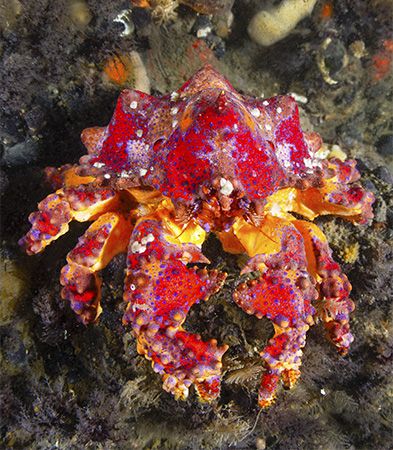
10 Animals With Evolutionary Traits Plucked Straight Out of a Nightmare
Nature has produced some truly unsettling creatures with evolutionary adaptations that seem to defy conventional biology. Here are 10 animals with traits…
What are 10 Animals With Evolutionary Traits Plucked Straight Out of a Nightmare?
Nature has produced some truly unsettling creatures with evolutionary adaptations that seem to defy conventional biology. Here are 10 animals with traits that could easily be described as nightmarish:
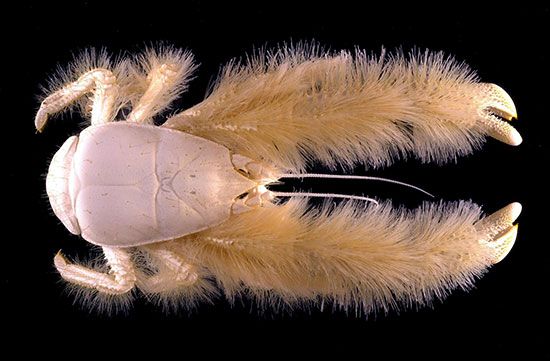
- Yeti Crab: These deep-sea dwellers live in extreme thermal vents, sporting hairy arms that cultivate bacteria for food.
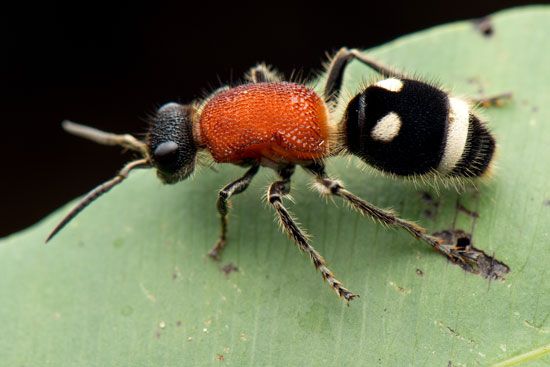
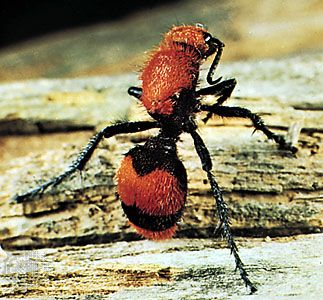
- Velvet Ant: Despite the name, this is a wingless wasp capable of delivering a sting powerful enough to subdue a cow.
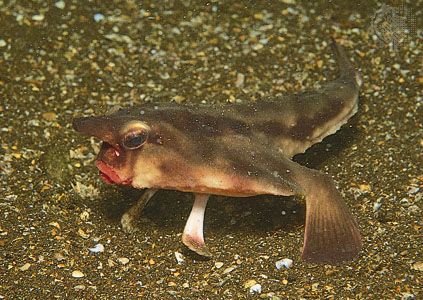
- Red-Lipped Batfish: Known for its bright red lips, this fish has evolved to “walk” on the ocean floor using its fins rather than swimming.
- Gastric-Brooding Frog: This extinct species famously birthed its young by regurgitating fully formed froglets from its stomach.
- Blobfish: A gelatinous, amorphous mass that appears ghastly when removed from the high-pressure depths of the ocean.
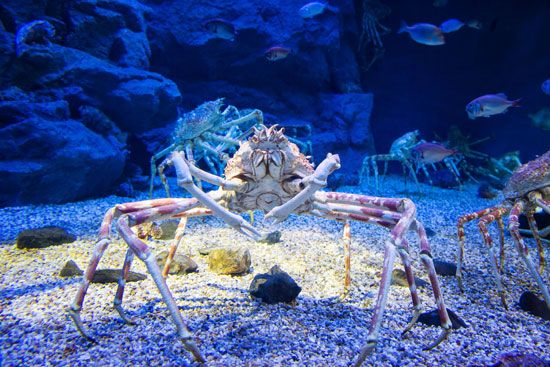
- Japanese Spider Crab: An arthropod with a leg span reaching up to 12 feet, resembling a giant underwater spider.
- Philippine Tarsier: A tiny primate with massive eyes and a head that can rotate 180 degrees.
- Shoebill: A giant, predatory bird known to decapitate its prey and engage in siblicide.
- Gavial: A crocodile with an exceptionally long snout lined with 110 razor-sharp teeth.
- Star-Nosed Mole: Features a fleshy, tentacled star on its snout used for touch-based navigation and rapid feeding.
How does sexual dimorphism influence the appearance of different animal species?
Sexual dimorphism refers to the physical differences between males and females of the same species, including variations in size, color, shape, and structure. These differences are primarily driven by sexual selection, a process where traits evolve not for survival against environmental pressures, but to increase an individual’s success in securing mates.234
Drivers of Dimorphism
Sexual selection generally manifests in two ways:
- Mate Choice: One sex (often females) may prefer individuals displaying specific traits, such as the vibrant plumage of a bird-of-paradise or the elaborate tail of a peacock.243
- Intrasexual Competition: Traits that enhance physical prowess, such as the large antlers of a deer or the massive size of a male baboon or northern sea lion, allow males to compete more effectively for access to females.243
While these traits can be cumbersome or increase visibility to predators, the reproductive advantage they provide outweighs these risks. Conversely, females often evolve to be more cryptically colored to remain inconspicuous while nesting or nurturing offspring.4325
What are some other examples of extreme animal adaptations to deep-sea environments?
Deep-sea organisms have evolved remarkable adaptations to survive in an environment defined by extreme pressure, near-freezing temperatures, and total darkness. Beyond the specialized traits of mid-water predators, many species exhibit unique physiological and structural modifications:
- Bioluminescence: Many organisms, including squids and anglerfish, generate their own light through a chemical reaction involving luciferin. This light is often used to attract prey, signal potential mates, or maintain social structures in the dark abyssal zone.67
- Pressure Resistance: To withstand immense hydrostatic pressure, deep-sea animals lack air-filled cavities like lungs or swim bladders, which would otherwise collapse. Their internal body pressures are equal to the external environment, preventing structural damage.89
- Energy Conservation: Because food is scarce, many deep-sea species have evolved “feebly developed” bodies consisting of gelatinous material with reduced skeletons and muscles, requiring minimal energy to maintain.10
- Morphological Specializations: Benthic (bottom-dwelling) animals often feature long legs to rise above the oxygen-poor sediment layer, while others are blind or possess highly sensitive organs to navigate the darkness.8
- Metabolic Adjustments: Some deep-sea fish are highly specialized predators with massive, fang-lined mouths, such as viperfishes, allowing them to capture rare prey efficiently.7
Why do some species engage in behaviors like siblicide for survival?
Siblicide is a survival strategy driven by intense competition among offspring when essential resources, such as food or shelter, are scarce and cannot be shared without reducing the overall benefit to the survivors.14
In environments where resources are limited, offspring may engage in direct interference or cannibalism to secure their own survival. A well-documented example occurs in great egrets, where the first-hatched chick typically kills its younger sibling. This behavior is highly sensitive to environmental conditions; younger siblings are more likely to survive only during years when food is particularly abundant.14
This behavior highlights the conflict of interest inherent in parental care. While parents invest in their brood, offspring often use signals like begging or displays to compete for that investment. Siblicide serves as a brutal mechanism to ensure that parental resources are concentrated on the strongest individuals, rather than being spread too thinly across a larger number of offspring that might all perish due to malnutrition.14
Sources
- 10 Animals With Evolutionary Traits Plucked Straight Out of a Nightmare — Encyclopædia Britannica
- Sexual dimorphism — Encyclopædia Britannica
- Sex - Sex differences in animals — Encyclopædia Britannica
- evolution - Sexual selection — Encyclopædia Britannica
- sexual selection — Encyclopædia Britannica
- Marine bioluminescence — Encyclopædia Britannica
- deep-sea fish — Encyclopædia Britannica
- protacanthopterygian - Ecology — Encyclopædia Britannica
- How do sea otters stay warm? — Encyclopædia Britannica
- abyssal zone — Encyclopædia Britannica
- Biosphere - Hydrostatic pressure — Encyclopædia Britannica
- gigantism — Merriam-Webster
- abyssal zone — Merriam-Webster
- Animal social behavior - Social interactions involving cooperative breeding and eusociality — Encyclopædia Britannica
- Animal social behavior - Social interactions involving the costs and benefits of parental care — Encyclopædia Britannica
Published on · 4 min read