How Do Fish Reproduce?
Fish reproduction is a diverse process, categorized primarily by how the embryos develop:
How do fish reproduce?
Fish reproduction is a diverse process, categorized primarily by how the embryos develop:
- Oviparous: Most bony fishes are egg-layers. They typically utilize external fertilization, where females release eggs into the water and males fertilize them with milt. These eggs may be pelagic (free-floating) or attached to a substrate.123
- Ovoviviparous: Some species retain eggs within the body until they hatch, with the embryo nourished by the egg yolk.12
- Viviparous: In these species, the female gives birth to live young, often with a direct tissue connection to the developing embryos.12
Cartilaginous fishes, such as sharks and rays, typically employ internal fertilization using specialized organs like claspers. Additionally, some bony fishes exhibit hermaphroditism, allowing them to produce both eggs and sperm, which is an evolutionary advantage in environments where finding a mate is difficult. To ensure survival, many species engage in complex reproductive behaviors, including nest building, guarding eggs, and elaborate courtship displays.12
What are some examples of parental care behaviors in fish?
Parental care in fish is a diverse set of behaviors that significantly enhances offspring survival, though it remains absent in many species that release pelagic eggs. When present, these behaviors range from simple nest preparation to complex physiological investment.456
Common Parental Care Behaviors
- Nest Building: Many species clear small areas under rocks or inside shells to serve as nests. Others, such as sunfishes and darters, use their fins to dig circular depressions. Labyrinth fishes are known for constructing elaborate bubble nests at the water’s surface.4
- Egg Guarding and Maintenance: Parents often defend nests against intruders. Beyond protection, they may actively maintain the eggs by fanning them with their fins to ensure proper aeration or by removing dead eggs from the clutch.4
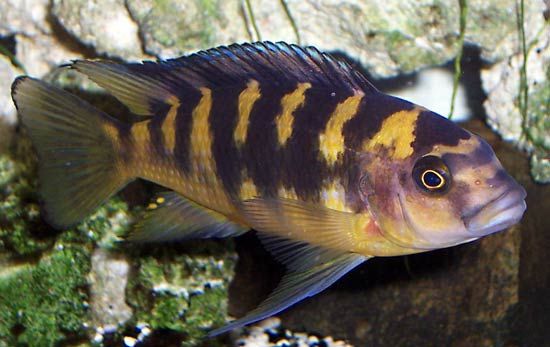
- Oral Incubation: In this method, one or both parents carry eggs in their mouth until they hatch, and sometimes continue to protect the young there even after they begin feeding independently. This is practiced by various cichlids, cardinal fishes, and sea catfishes.64
- Carrying Eggs on the Body: Some species anchor eggs to their bodies. For example, certain catfishes carry eggs on their abdomen or under their lower lip, while the male humphead uses a specialized hooked structure on its forehead to secure egg clusters.64
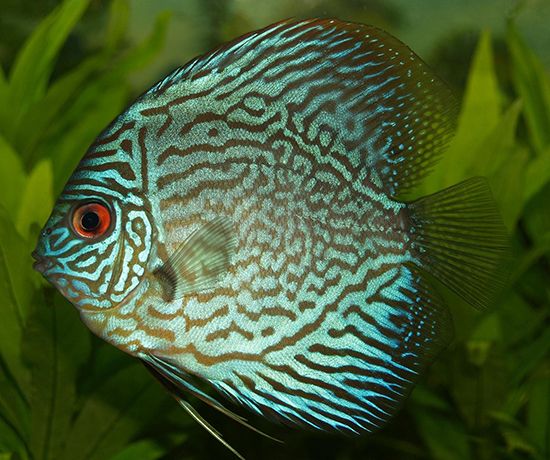
- Direct Nourishment: A rare and remarkable behavior observed in discus and angelfishes involves feeding young with mucous secretions from the parents’ bodies. Additionally, some viviparous species, such as the European eelpout, provide nutrients to their young internally through ovarian follicles.4
How does hermaphroditism help fish survive in deep-sea environments?
In deep-sea environments, where population density is often very low, finding a mate can be a significant challenge. Hermaphroditism provides a critical survival advantage in these habitats by ensuring that reproduction can occur even when the probability of encountering another sexually active individual is minimal.27
Because bony fishes possess gonads that lack fixed male or female elements at their origin, they are physiologically more adaptable to pressures that favor this strategy. By enabling individuals to produce both eggs and sperm—either simultaneously or at different life stages—hermaphroditism effectively increases the likelihood of successful reproduction in isolated or sparsely populated regions like the deep ocean. This flexibility allows species to maintain their populations despite the environmental obstacles that would otherwise limit mating opportunities.27
Why do some fish species migrate long distances to spawn?
Fish migrate long distances primarily to optimize their survival and reproductive success, balancing the requirements for feeding and reproduction.8
Drivers of Migration
- Feeding and Growth: Many species, such as bluefin tuna, traverse vast oceanic distances to reach high-latitude waters where food supplies are more abundant.89
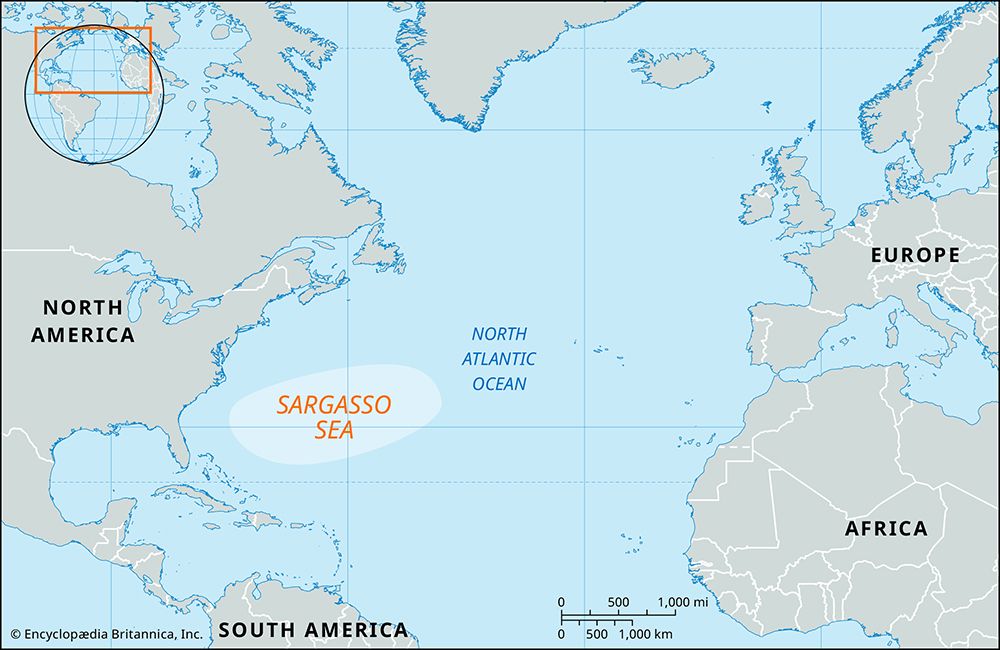
- Spawning Requirements: Migration allows fish to reach specific environments—such as coral reefs, specific riverbeds, or the Sargasso Sea—that provide the necessary conditions for egg development and larval survival.8910
- Diadromous Strategies: Anadromous fishes, like Atlantic salmon, migrate from the sea to fresh water to spawn in cold, clear streams, while catadromous species like freshwater eels move from fresh water to the ocean to breed.810
These movements are often guided by complex environmental cues, including the Earth’s magnetic field, water chemistry, and the sense of smell, which enables many species to return to their natal grounds with remarkable precision.81110
Sources
- How do fish reproduce? — Encyclopædia Britannica
- Reproductive behaviour - Fishes — Encyclopædia Britannica
- clupeiform - Reproduction — Encyclopædia Britannica
- ostariophysan - Parental care — Encyclopædia Britannica
- perciform - Life history — Encyclopædia Britannica
- Animal social behavior - Social interactions involving the costs and benefits of parental care — Encyclopædia Britannica
- scorpaeniform - Reproduction — Encyclopædia Britannica
- Marine ecosystem - Migrations of marine organisms — Encyclopædia Britannica
- Migration - Oceanodromous fish — Encyclopædia Britannica
- protacanthopterygian - Behaviour and locomotion — Encyclopædia Britannica
- Migration - Anadromous fish — Encyclopædia Britannica
Published on · 3 min read