Wasabi
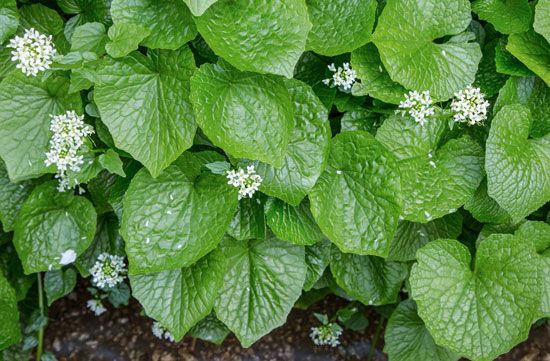
Wasabi (Eutrema japonicum) is a perennial plant in the mustard family native to Japan, South Korea, and parts of Russia. It is best known for the pungent…
What is wasabi?
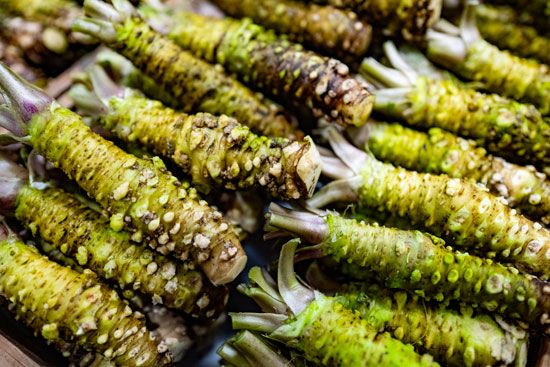
Wasabi (Eutrema japonicum) is a perennial plant in the mustard family native to Japan, South Korea, and parts of Russia. It is best known for the pungent, spicy paste made from its ground rhizomes, which is traditionally served with sushi and sashimi.123
The plant’s unique flavor and aroma are caused by the release of volatile compounds called isothiocyanates when its cells are ruptured during grating. Because true wasabi is difficult to cultivate—requiring specific cool, humid, and shady conditions—it is expensive and limited in availability. Consequently, many wasabi pastes found in Western restaurants are actually made from horseradish with added green food coloring. While true wasabi is naturally green, the imitation product relies on additives to mimic its appearance.13
Why does wasabi’s heat affect the nose more than the tongue?
The heat from wasabi affects the nose more than the tongue because of the nature of the chemical compounds released when the plant is prepared. When the rhizomes are cut or grated, the plant’s cells rupture, triggering the formation of volatile compounds known as isothiocyanates.1
Unlike the capsaicin found in chili peppers, which primarily binds to receptors on the tongue to create a lingering, mouth-focused heat, the volatile isothiocyanates in wasabi are highly gaseous. These vapors travel quickly from the mouth into the nasal cavity, where they stimulate the sense of smell and nasal passages, producing a sharp, intense, and fleeting sensation that is felt more acutely in the nose than on the taste buds.1

What other plants belong to the mustard family?
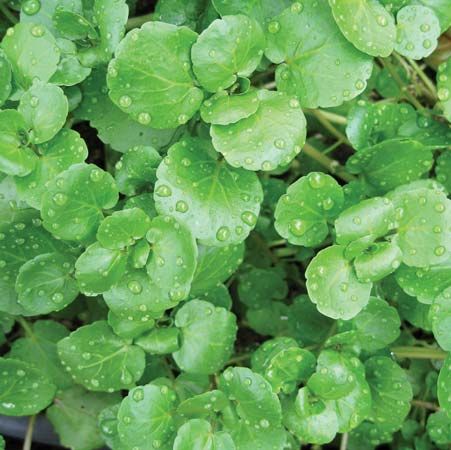
The Brassicaceae family, commonly known as the mustard family, is a large group of flowering plants that includes over 4,100 species. These plants are often referred to as “crucifers” or “cruciferous” because their flowers feature four petals arranged in the shape of a cross.45
Many members of this family are significant agricultural crops, including:
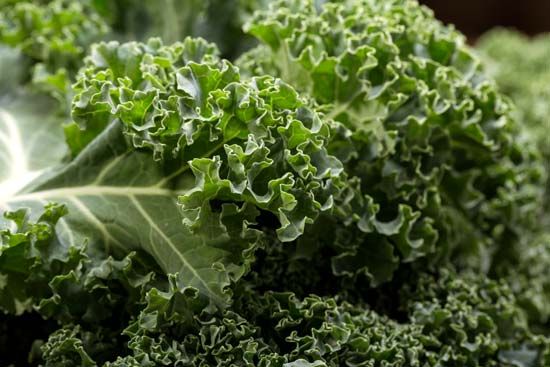
- Vegetables: Cabbage, broccoli, cauliflower, Brussels sprouts, kale, kohlrabi, napa cabbage, turnips, and rutabaga.465
- Condiments and Roots: Wasabi, horseradish, radish, white mustard, and brown mustard.461
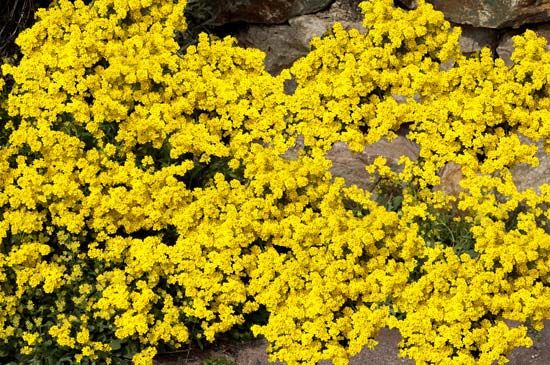
- Ornamentals: Basket-of-gold, candytuft, honesty, sweet alyssum, wallflower, and rock cress.45
The distinct, pungent flavor of these plants is caused by sulfur-containing compounds called glucosinolates, which serve as a natural defense mechanism.45
How does the flavor of fresh wasabi change when exposed to air?
When fresh wasabi is grated, the rupturing of its cells triggers the formation of volatile compounds known as isothiocyanates, which provide the paste with its characteristic spicy and pungent flavor.1
However, these compounds are highly unstable. When the paste is exposed to air, it rapidly loses its pungency and intensity. Because of this, it is standard practice to grate the rhizome immediately before serving—often using a sharkskin or wooden grater—to ensure the diner experiences the full, fresh impact of the flavor.13
Sources
- wasabi — Encyclopædia Britannica
- wasabi — Merriam-Webster
- wasabi: Top Questions — Encyclopædia Britannica
- Brassicaceae — Encyclopædia Britannica
- brassica — Encyclopædia Britannica
- Brassicales - Brassicaceae , Capparaceae, and Cleomaceae — Encyclopædia Britannica
Published on · 2 min read