Padma River
The Padma River serves as a vital waterway in Bangladesh, functioning as a primary artery for the transportation of agricultural and rural products…
How does the Padma River affect transportation and trade in Bangladesh?
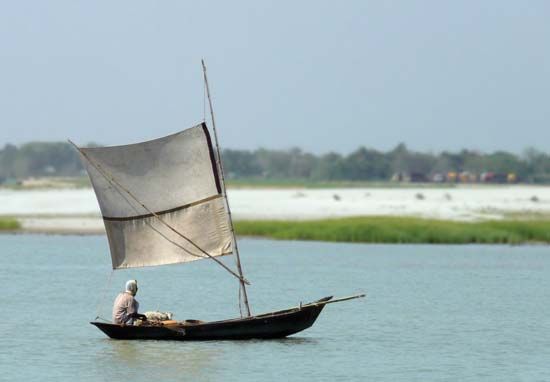
The Padma River serves as a vital waterway in Bangladesh, functioning as a primary artery for the transportation of agricultural and rural products, including jute, tea, and grain. Major urban centers such as Rajshahi and Pabna are situated along its banks, relying on the river for connectivity.12
However, the river’s role in trade and transport is frequently challenged by its physical characteristics. The Padma is known for heavy bank erosion and shifting channels, which can create sandbars that reduce navigability. Furthermore, the river’s high silt content and seasonal water fluctuations—partially influenced by the Farakka Barrage in India—can complicate consistent navigation. While the river remains a critical transport route, these hydrological instabilities and the lack of permanent crossings in many areas have historically inhibited communication and trade between different regions of the country.231
What is the total length of the Padma River and how does it compare to other major rivers in Asia?
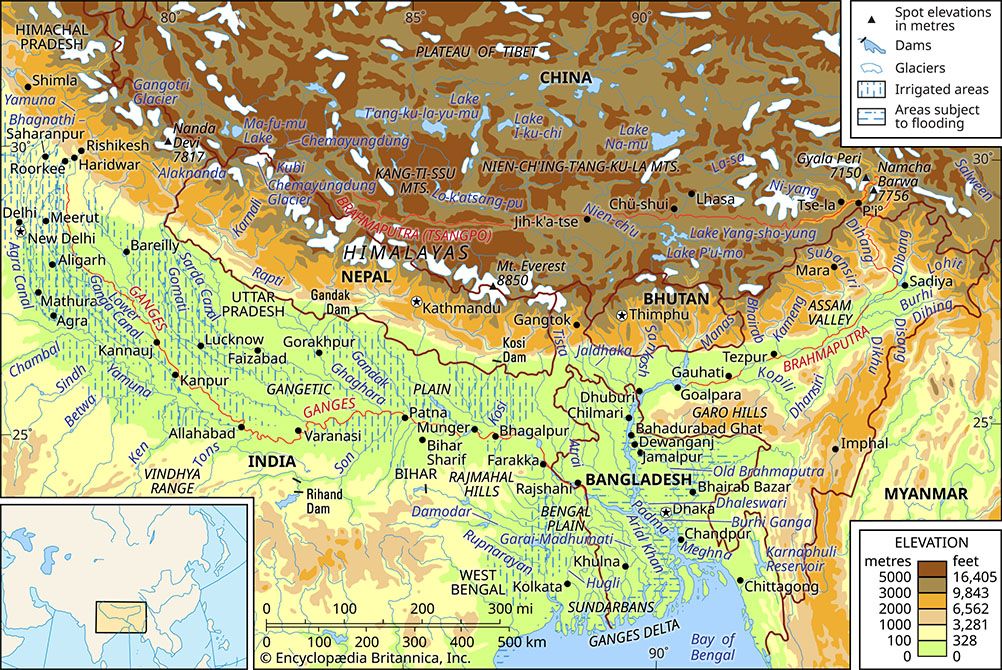
The provided search results do not state a specific total length for the Padma River. The Padma is defined as the main channel of the Ganges River within Bangladesh, and its lower segment—formed after its confluence with the Jamuna River—flows for approximately 75 miles (120 km) before joining the Meghna River.16
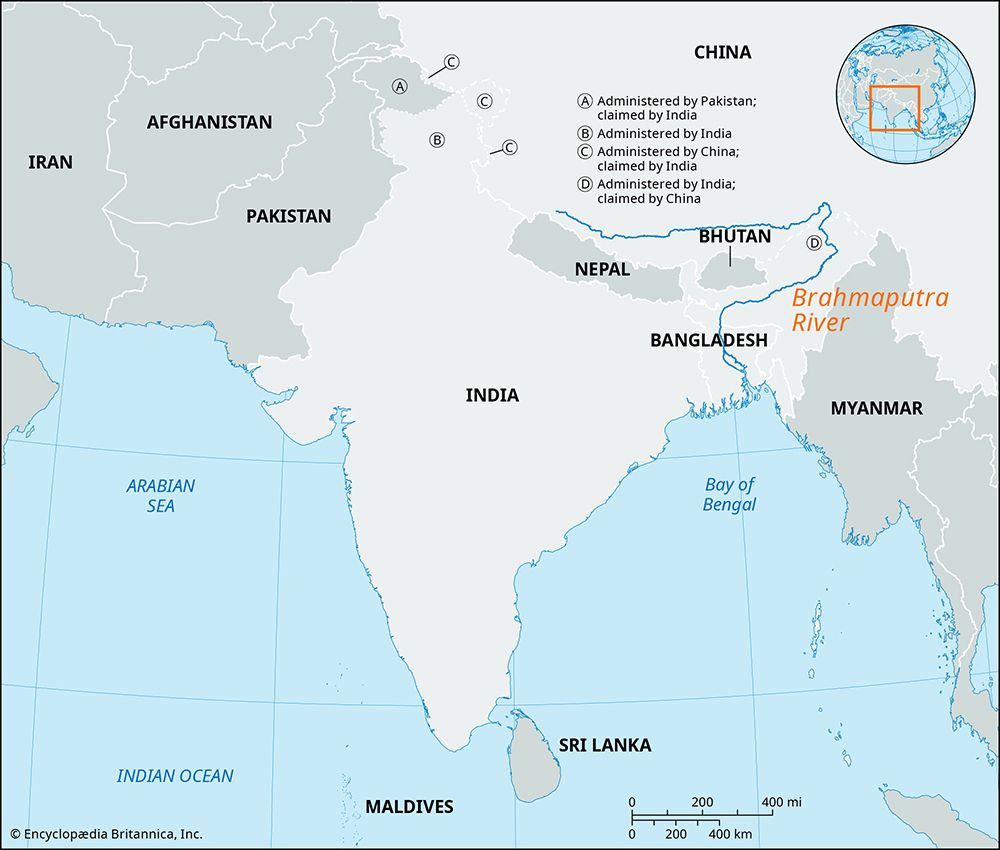
Because the Padma is a segment of the larger Ganges-Brahmaputra system, it is part of one of the most significant hydrological networks in Asia. This combined system is notable for having the third-greatest average discharge of any river system in the world and carries the highest annual suspended sediment load globally, at approximately 1.84 billion tons.6
While the Padma itself is a critical waterway, it functions as a distributary component of a much larger transboundary river system rather than a standalone river with a singular length comparable to major independent Asian rivers like the Yangtze or the Indus.
What types of fish and wildlife are found in and around the Padma River?
The Padma River is a vital waterway known for being a rich source of fish. As the main channel of the Ganges River in Bangladesh, it flows into the vast Ganges delta, which encompasses the Sundarbans—the world’s largest mangrove forest.781
Aquatic and Terrestrial Biodiversity
The river system and its surrounding deltaic environment support a diverse range of wildlife:
- Aquatic Life: The tidal creeks and river channels are home to Ganges river dolphins, Irrawaddy dolphins, Indo-Pacific humpback dolphins, and finless porpoises. Other notable aquatic species include Ganges sharks, estuarine crocodiles, river terrapins, crabs, and various species of turtles, such as the olive ridley and green turtle.1
- Terrestrial Wildlife: The region is famous for its population of Bengal tigers, which have uniquely adapted to a semiaquatic life in the mangrove forests. Other land-dwelling animals include spotted deer, rhesus monkeys, wild boars, fishing cats, otters, and pangolins8.
- Avifauna: The delta serves as a significant habitat for migratory birds, including the Asian dowitcher and purple heron, as well as resident species like Asian open-billed storks, white ibis, and various birds of prey such as gray-headed fishing eagles and peregrine falcons.1
The ecosystem faces ongoing threats from saltwater intrusion, poaching, and pollution, which endanger many of these species.1
Where is the Padma River located, and what are its major tributaries?
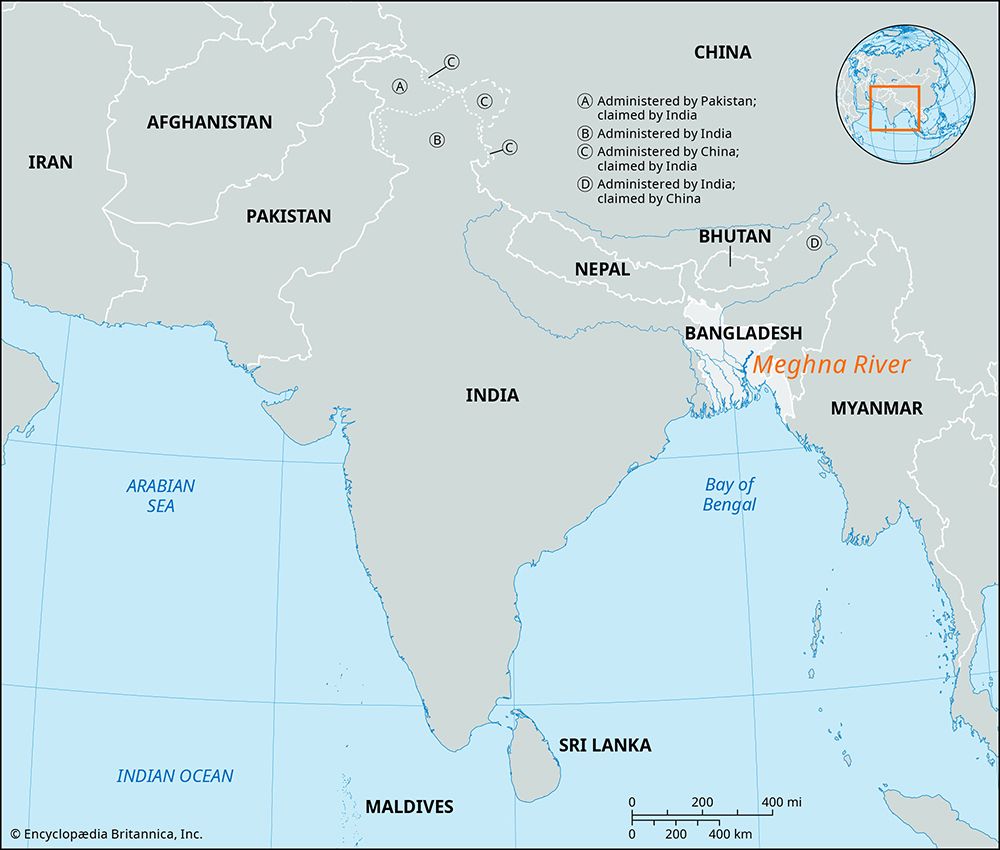
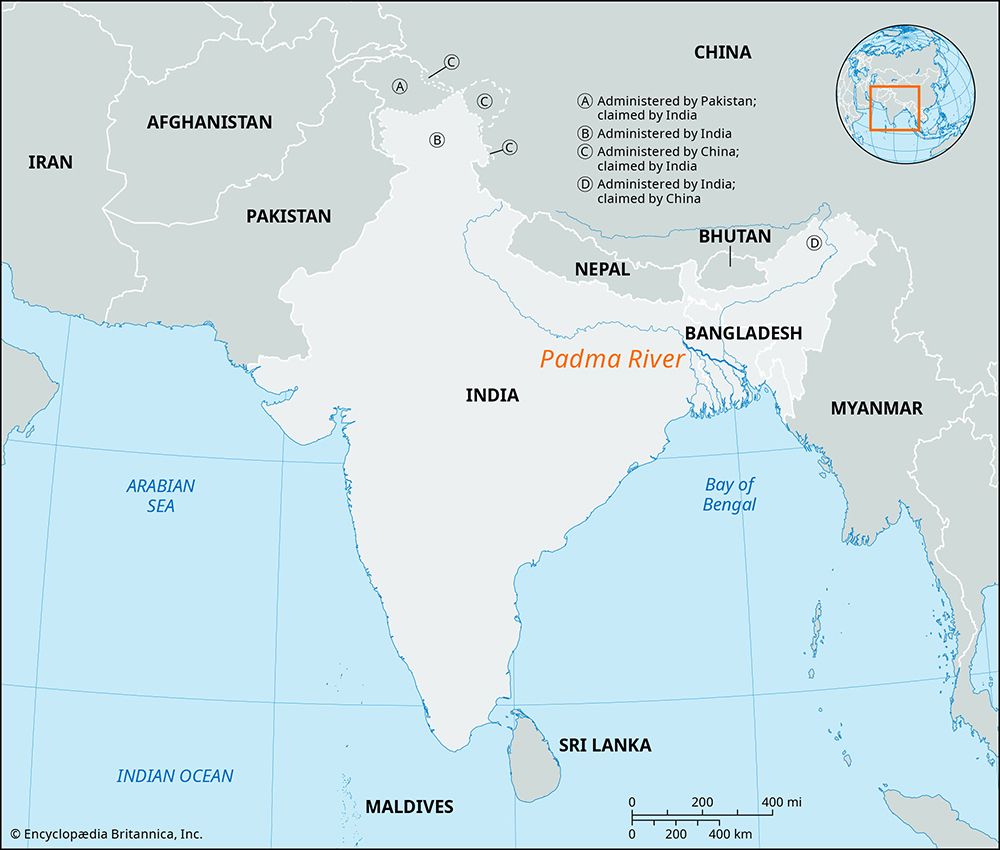
The Padma River is located in Bangladesh, serving as the main channel of the Ganges River within the country. It enters Bangladesh at the northern edge of the Kushtia district, flowing southeastward through central Bangladesh before joining the Meghna River near Chandpur and emptying into the Bay of Bengal.1
Regarding its tributaries and distributaries, the Mahananda River is identified as the Padma’s main tributary. Additionally, the river receives the Jamuna River near Rajbari, which significantly alters its flow. The river’s principal distributary is the Madhumati River, which is known as the Garai in its upper course.1
Sources
- Padma River — Encyclopædia Britannica
- Bangladesh - Rivers of Bangladesh — Encyclopædia Britannica
- Ganges River - Navigation — Encyclopædia Britannica
- Patuakhali — Encyclopædia Britannica
- Brahmaputra River - Navigation and transport — Encyclopædia Britannica
- Brahmaputra River - Physiography — Encyclopædia Britannica
- Ganges River - Physiography — Encyclopædia Britannica
- Sundarbans National Park — Encyclopædia Britannica
- Barak River — Encyclopædia Britannica
Published on · 3 min read