Sun Orchid
A sun orchid is a member of the genus Thelymitra, which comprises approximately 100 species of orchids native to Australasia. These terrestrial perennial…
What is Sun orchid?
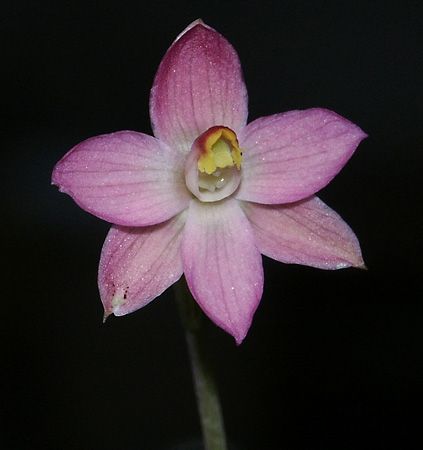
A sun orchid is a member of the genus Thelymitra, which comprises approximately 100 species of orchids native to Australasia. These terrestrial perennial plants are named for their distinct behavior of keeping their flowers closed except when exposed to strong, bright sunlight. Some species are self-pollinating and may never open their flowers at all.12
Unlike many other orchids, sun orchids lack a central labellum, resulting in sepals and petals that appear uniform. Their reproductive structure, known as a column, is hooded and often features unique tufted, comblike, or earlike appendages. They typically grow from a pair of ovoid tubers and bear a single leaf. Common examples found in Australia include the lemon orchid, the twisted sun orchid, the custard orchid, and the scented sun orchid.1
How do orchids reproduce?
Orchids reproduce through a complex process of pollination and fertilization that often involves highly specialized interactions with pollinators or, in some cases, self-pollination.34
Pollination Strategies
Orchids have evolved diverse methods to ensure the transfer of pollen—packaged in sticky units called pollinia—to the stigma of another flower:
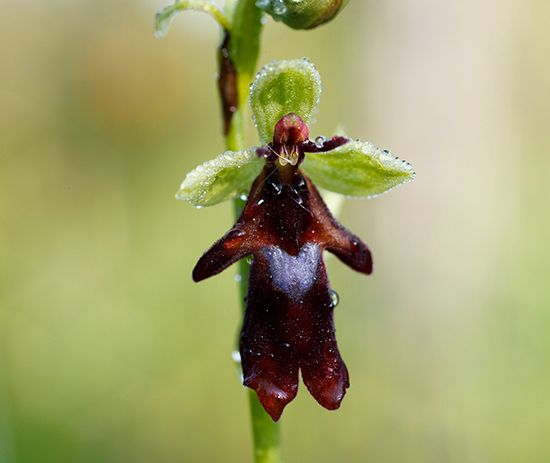
- Deception: Many orchids, such as those in the genus Ophrys, mimic the scent or appearance of female insects to lure males into “pseudocopulation,” during which pollinia are attached to the insect.56
- Manipulation: Some species, like those in the genus Coryanthes, use elaborate traps or water-filled structures to force pollinators through a specific tunnel, ensuring the pollinarium is deposited on the insect.5
- Attraction: Other orchids attract male euglossine bees by offering specific floral scents that the bees collect for their own use, manipulating the bees during the collection process.5
- Self-Pollination: When pollinators are scarce, some orchids resort to self-pollination. This can occur through the degeneration of the rostellum (a physical barrier), the mechanical movement of the pollinia, or by remaining closed entirely.46
Fertilization and Development
Once pollinia reach the stigma, pollen tubes grow down the column to fertilize the ovules in the ovary. Unlike most angiosperms, orchid seeds lack endosperm and are extremely minute and dustlike. Because they lack these internal food reserves, orchid seeds require a symbiotic relationship with a mycorrhizal fungus to provide the necessary nutrients for germination and early development.378
What are some other unique types of Australian plants?
Australia is home to a unique and diverse array of flora, much of which evolved in isolation or as part of the ancient supercontinent Gondwana. Many of these plants exhibit sclerophylly, an adaptation to the continent’s characteristically low soil nutrient levels.10
Some notable and unique Australian plants include:
- Eucalyptus: Represented by over 400 species, these range from small mallees to massive forest giants, thriving in environments from rainforests to deserts.10
- Acacia: With roughly 700 species, these include dominant trees of arid regions like the mulga and myall, as well as small, leafless ground-level plants.10
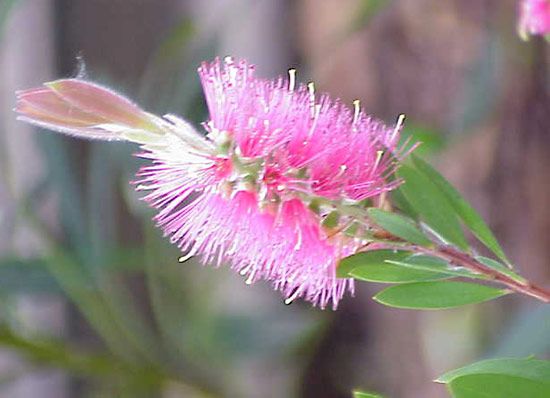
- Bottlebrushes (Callistemon): These shrubs and trees are famous for their showy spikes of flowers, which feature bright, prominent stamens.11
- Kangaroo Paws: These spring-flowering herbs are known for their clustered, woolly flowers.1213
- Waratah (Telopea): A striking plant recognized for its large, vibrant crimson flower heads.14
- Spinifex Grasses: Widespread in Australian deserts, these spiny, hummock-forming grasses are a defining feature of the arid landscape.15
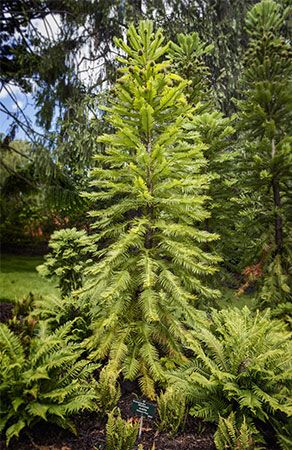
- Wollemi Pine: Discovered in 1994, this is considered one of the world’s oldest and rarest tree species.16
Why do some flowers only open in sunlight?
Some flowers open and close in response to light intensity through a biological rhythmic process known as nyctinasty. This movement is not a response to a directional stimulus, but rather a reaction to the onset of darkness or decreasing sunlight, which causes the petals to fold or close.17
This phenomenon is driven by changes in cellular turgor pressure within the plant. In many species, such as those in the genus Portulaca, the closing of petals serves as a protective response to environmental conditions like dusk, cloud cover, or rain.17
While some plants exhibit this rhythmic behavior, others are influenced by photoperiodism, which is the response of an organism to the duration of light and darkness. While photoperiodism is often associated with seasonal flowering cycles, the daily opening and closing of flowers is a key aspect of a plant’s circadian cycle, ensuring that the flower is active when its specific pollinators are most likely to be present.1718
Sources
- sun orchid — Encyclopædia Britannica
- sun orchid — Merriam-Webster
- orchid - Natural history — Encyclopædia Britannica
- orchid - Bee pollination — Encyclopædia Britannica
- orchid - Seeds — Encyclopædia Britannica
- Asparagales - Fruits and seeds — Encyclopædia Britannica
- orchid - Self-pollination — Encyclopædia Britannica
- Botanical Sex: 9 Alluring Adaptations — Encyclopædia Britannica
- Plant reproductive system - General features of sexual systems — Encyclopædia Britannica
- Australia - Plant life — Encyclopædia Britannica
- Callistemon — Encyclopædia Britannica
- kangaroo paw — Merriam-Webster
- Desert - Flora — Encyclopædia Britannica
- waratah — Merriam-Webster
- kangaroo's-foot — Merriam-Webster
- New South Wales - Plant and animal life — Encyclopædia Britannica
- nyctinasty — Merriam-Webster
- Photoperiodism — Encyclopædia Britannica
- Angiosperm - Transport and plant growth — Encyclopædia Britannica
- Pollination - Evolution of insect pollination — Encyclopædia Britannica
- Do sunflowers really follow the Sun? — Encyclopædia Britannica
- Angiosperm - Pollination — Encyclopædia Britannica
Published on · 3 min read