Backbone Mountain
Backbone Mountain is the highest point in the U.S. state of Maryland, reaching an elevation of 3,360 feet (1,024 metres).
What is Backbone Mountain?
Backbone Mountain is the highest point in the U.S. state of Maryland, reaching an elevation of 3,360 feet (1,024 metres).1
Situated in Garrett county, approximately 12 miles (19 km) south of Oakland, the mountain is part of a ridge within the Allegheny and Appalachian mountain ranges. This ridge spans 35 miles (56 km) in length and extends southwestward into Preston and Tucker counties in West Virginia Preston and Tucker counties in West Virginia.1
How were the Appalachian Mountains formed?
The Appalachian Mountains were formed through a complex, multi-stage process driven by plate tectonics. Over hundreds of millions of years, the collision of continental blocks and island arcs against the eastern margin of North America resulted in three major orogenies (mountain-building events):
- Taconic Orogeny: Occurred in the Middle Ordovician (about 472 million years ago).
- Acadian Orogeny: Took place in the Middle to Late Devonian (390 to 370 million years ago).
- Alleghenian Orogeny: Occurred in the Late Carboniferous to Permian (300 to 250 million years ago), contributing to the formation of the Pangaea supercontinent.2
These events involved intense heat, pressure, and folding, which transformed ancient crystalline rocks and uplifted sedimentary rock layers. Following these upheavals, the mountains were further sculpted by the continuous action of water and, in northern regions, by glacial forces during the Pleistocene Epoch, which carved the valleys, ridges, and gorges seen today.23
What are the other major mountain ranges in the United States?
The United States features several major mountain systems, primarily concentrated in the western half of the country. These ranges are often categorized within the broader Western Cordillera, a vast system extending from Alaska to Mexico.
Major Mountain Ranges
- Rocky Mountains: Forming the “backbone” of the western United States, the Rockies stretch approximately 3,000 miles from Canada to New Mexico. They consist of numerous sub-ranges, including the Southern Rockies in Colorado and New Mexico, and the Middle Rockies in Wyoming and Utah.
- Pacific Mountain System: This series of ranges runs along the Pacific coast. Key components include:
- Cascade Range: Known for its volcanic peaks, such as Mount Rainier and Mount St. Helens, extending from California through Oregon and Washington.
- Sierra Nevada: A massive, tilted block range in eastern California, home to Mount Whitney, the highest peak in the contiguous United States.
- Coast Ranges: A series of mountains running along the immediate Pacific coastline of California, Oregon, and Washington.
- Olympic Mountains: Located in northwestern Washington, these mountains are largely composed of deformed oceanic crust.
- Alaska Range: Located in Alaska, this range contains Denali, the highest mountain in North America.
These ranges were primarily shaped by complex tectonic processes, including subduction, volcanic activity, and crustal extension, which continue to influence the landscape today.4567
What kind of wildlife lives in the Allegheny Mountains?
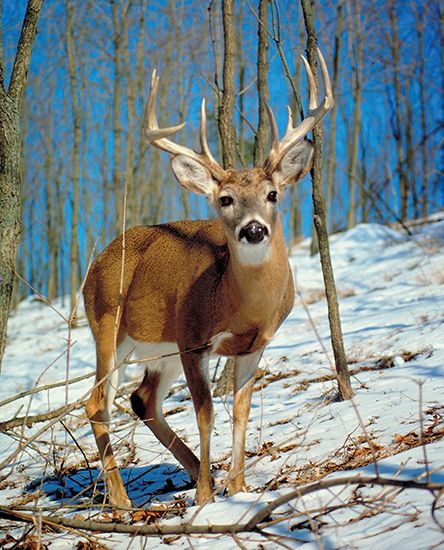
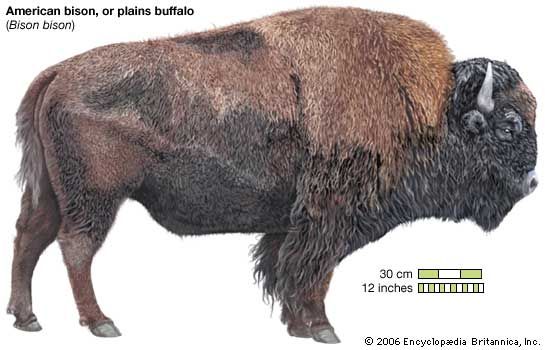
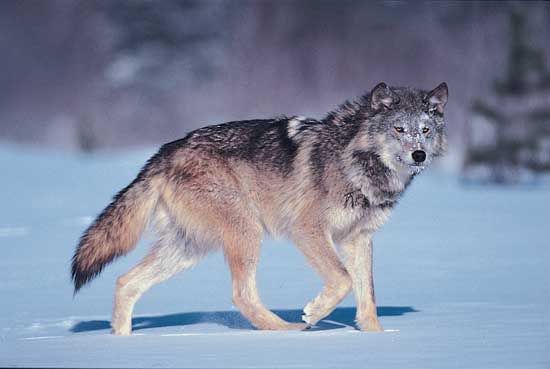
The Allegheny Mountains are a prominent part of the Appalachian Mountains system, which is characterized by extensive deciduous forests and diverse wildlife. While some species that were once common to the region, such as bison, elk, and wolves, disappeared long ago, elk have since returned to the northern mountains.11
Today, the region supports a variety of animals, including:
- Large Mammals: Black bear, white-tailed deer, and wild boar.11
- Small Mammals: Fox, raccoon, and beaver.11
- Birds: The region supports an abundant birdlife, with hundreds of varieties of game birds and songbirds found throughout the broader Appalachian range.11
In the northernmost corners of the Appalachian region, moose and caribou can also be found. Much of the habitat for these animals is protected within national forests, such as the Monongahela, George Washington, and Jefferson national forests.1112
Sources
- Backbone Mountain — Encyclopædia Britannica
- Appalachian orogenic belt — Encyclopædia Britannica
- Appalachian Mountains - Geology of the Appalachian Mountains — Encyclopædia Britannica
- Western Cordillera — Encyclopædia Britannica
- Rocky Mountains — Encyclopædia Britannica
- Pacific mountain system — Encyclopædia Britannica
- mountain - The North American Cordillera — Encyclopædia Britannica
- Cascade Range — Encyclopædia Britannica
- Sierra Nevada — Encyclopædia Britannica
- Sierra Nevada - Geology — Encyclopædia Britannica
- Appalachian Mountains - Plant and animal life — Encyclopædia Britannica
- Allegheny Mountains — Encyclopædia Britannica
- Allegheny Plateau — Encyclopædia Britannica
Published on · 3 min read