Lake of the Woods
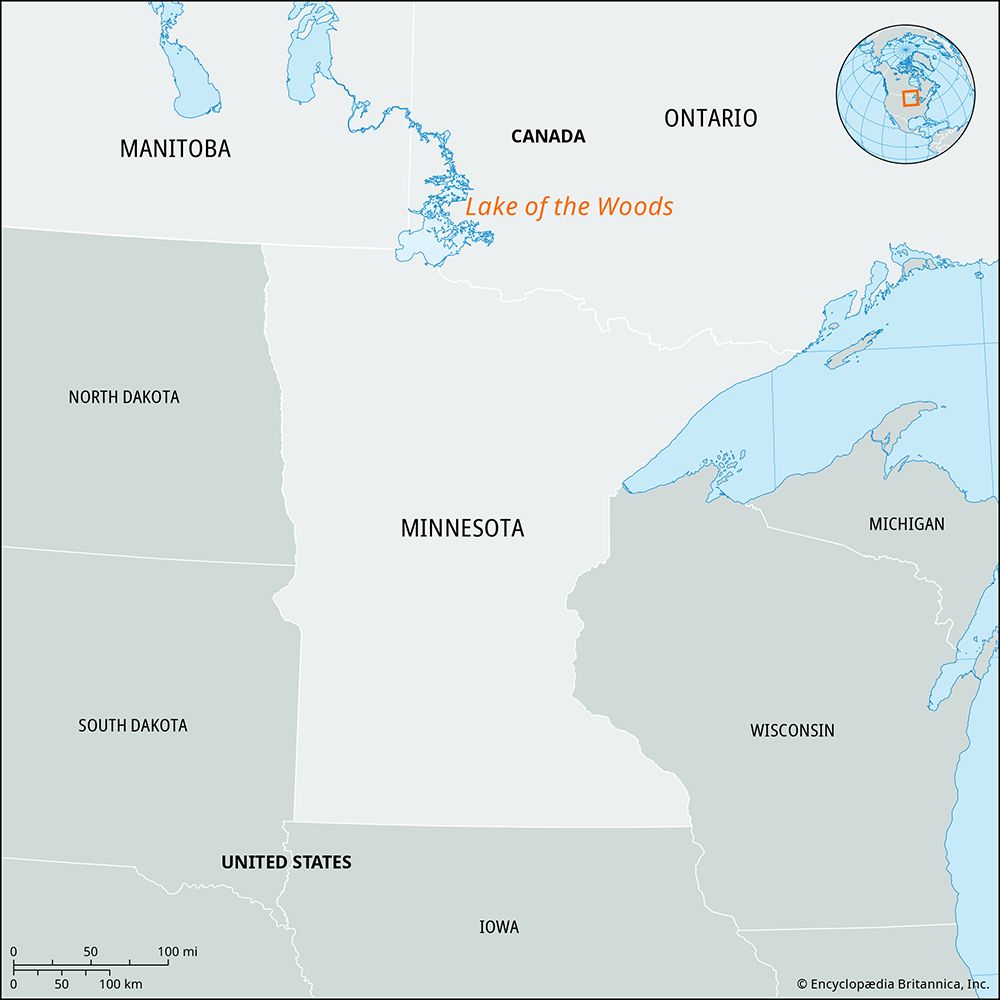
Lake of the Woods is located in North America, spanning the international boundary between Canada and the United States.
Where is Lake of the Woods located, and what countries does it span?
Lake of the Woods is located in North America, spanning the international boundary between Canada and the United States.1
Specifically, the lake is situated where the Canadian provinces of Ontario and Manitoba meet the U.S. state of Minnesota. the U.S. state of Minnesota. It is a large, irregular body of water known for its extensive shoreline and thousands of islands, serving as a significant geographic feature that includes the Northwest Angle, the northernmost point of the contiguous United States.1
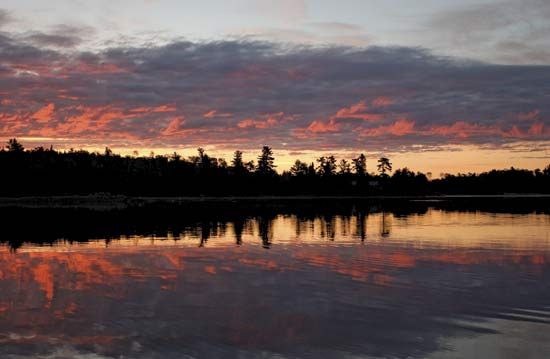
What types of flora and fauna can be found in and around Lake of the Woods?
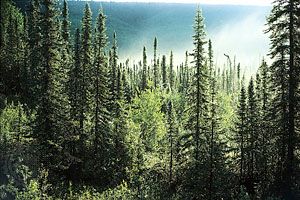
The region surrounding Lake of the Woods is characterized by the boreal forest, a vast ecosystem that supports a diverse array of plant and animal life.
Flora
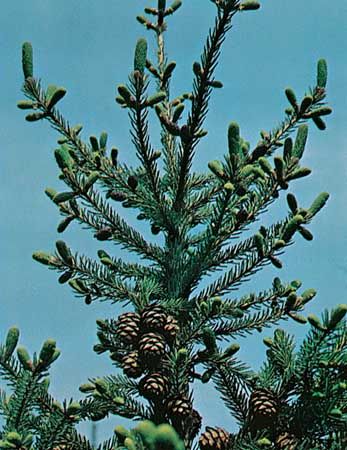
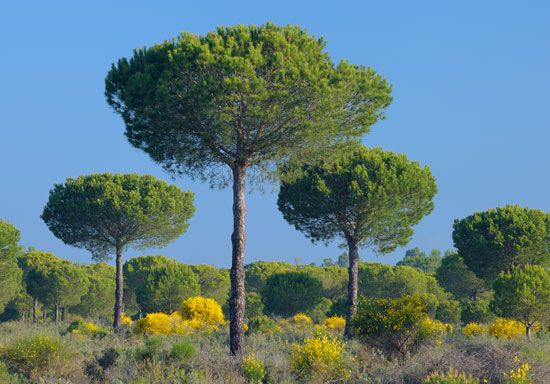
The landscape is dominated by coniferous trees, including black spruce, white spruce, jack pine, and tamarack. These are frequently interspersed with deciduous species such as white birch, aspen, and poplar.123
Fauna
The area hosts a variety of wildlife adapted to the northern climate:
- Mammals: Large mammals include moose, black bears, deer, wolves, and woodland caribou. Smaller mammals such as beavers, muskrats, otters, mink, foxes, and porcupines are also common.123
- Birds: The region is a significant habitat for waterfowl, including loons, mallards, and Canada geese. Other resident and migratory birds include hawks, owls, woodpeckers, chickadees, and various songbirds.1243
- Fish: The lake’s waters support species such as walleye, lake trout, whitefish, and pickerel.153
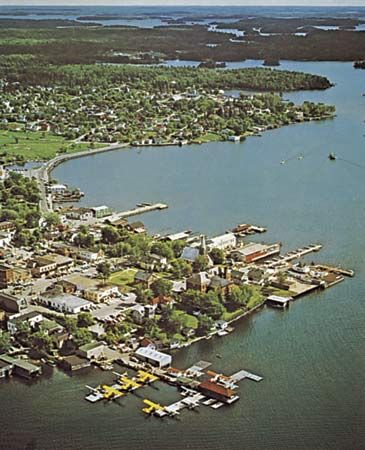
What is the significance of Lake of the Woods in the history of North American exploration?
Lake of the Woods played a pivotal role in North American exploration and commerce, primarily as a vital fur-trading route connecting the Great Lakes to western Canada. The region was first visited by the French explorer Jacques de Noyon in 1688, marking the beginning of its significance to European expansion.
The lake also became central to the complex history of North American cartography and diplomacy. Following the Treaty of Paris in 1783, negotiators relied on a flawed map that incorrectly depicted the lake’s geography and its relationship to the Mississippi River. This error led to decades of boundary disputes between the United States and Britain. The issue was eventually resolved through rigorous surveys conducted in the 1820s by Johann Ludwig Tiarks and the noted surveyor and fur trader David Thompson. Their work identified the lake’s northwesternmost point, which was later codified in the Webster-Ashburton Treaty of 1842, ultimately establishing the Northwest Angle as part of the United States.
What is the Northwest Angle and why is it unique?
The Northwest Angle is a unique 130-square-mile (340-square-kilometer) exclave of Minnesota that serves as the northernmost point of the contiguous United States. It is physically separated from the rest of the state by Lake of the Woods and shares land borders only with the Canadian provinces of Manitoba and Ontario.79
Its existence is the result of a 1783 cartographic error in the Treaty of Paris, which relied on a flawed map that incorrectly placed the source of the Mississippi River north of the lake. After decades of diplomatic disputes, surveyors Johann Ludwig Tiarks and David Thompson identified the lake’s northwesternmost point, a boundary finalized by the Webster-Ashburton Treaty of 1842.7
Today, the area is home to approximately 120 residents and is a popular destination for fishing, particularly for walleye. Because it is geographically isolated, travelers must pass through Canada to reach the Angle by land, or travel by water to avoid international border crossings.7
We could dive deeper into the specific challenges of maintaining this unique border or explore the history of the fur trade in this region.
Sources
- Lake of the Woods — Encyclopædia Britannica
- North America - The boreal forest — Encyclopædia Britannica
- Great Lakes - Plant and animal life — Encyclopædia Britannica
- Ontario - Plant and animal life — Encyclopædia Britannica
- Taiga - Birds — Encyclopædia Britannica
- Minnesota - Plant and animal life — Encyclopædia Britannica
- Why Does Minnesota Have the Northwest Angle? — Encyclopædia Britannica
- Voyageurs National Park — Encyclopædia Britannica
- Northwest Angle — Merriam-Webster
Published on · 3 min read