Nilgiri Hills
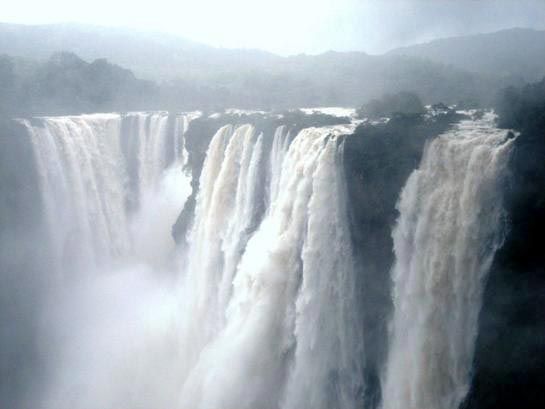
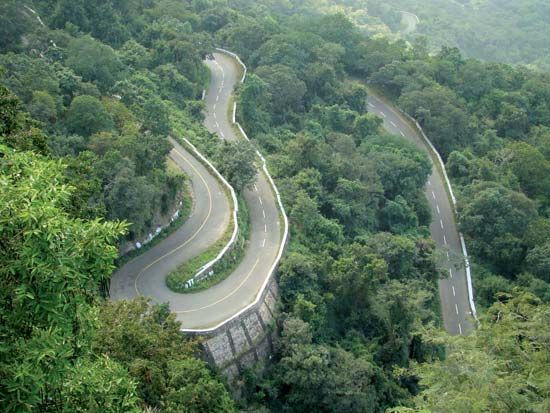
The Nilgiri Hills are a mountainous region located in the state of Tamil Nadu, India. As part of the Western Ghats, these hills rise abruptly from the…
What is Nilgiri Hills?
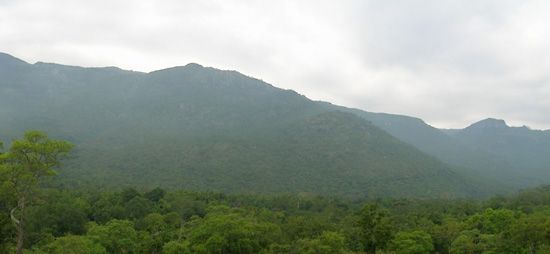
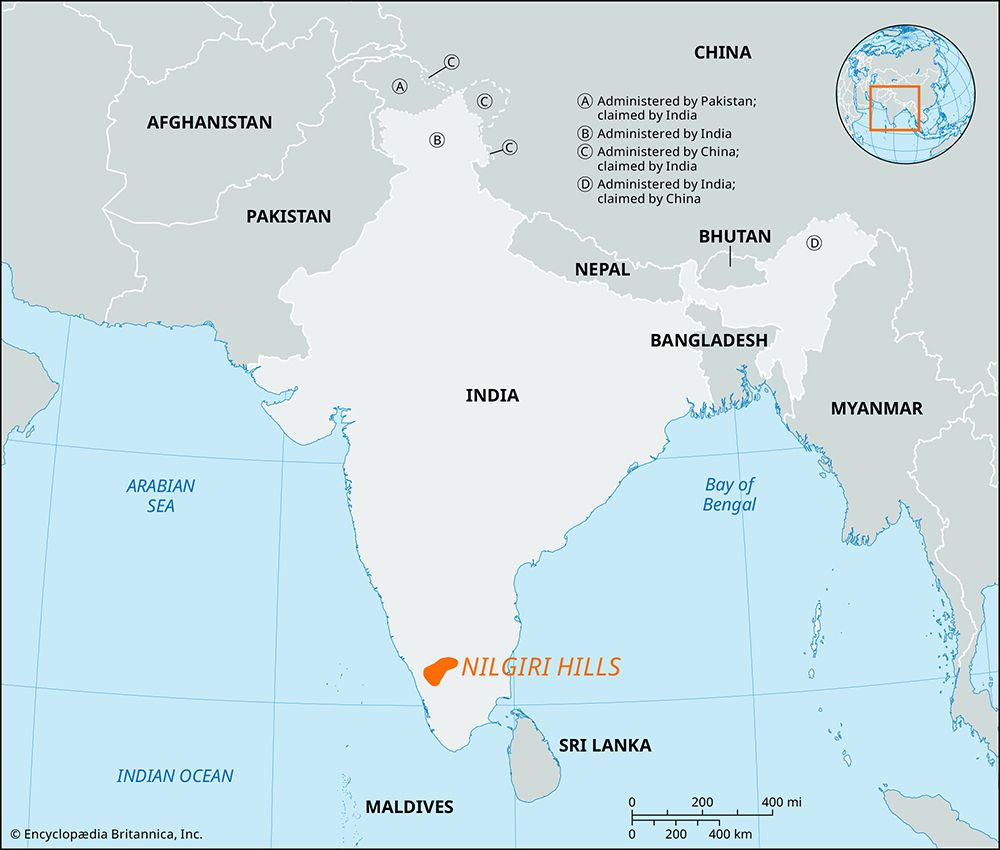
The Nilgiri Hills are a mountainous region located in the state of Tamil Nadu, India. As part of the Western Ghats, these hills rise abruptly from the surrounding plains to elevations between 6,000 and 8,000 feet (1,800–2,400 meters). The highest point in Tamil Nadu, Doda Betta, is located here at 8,652 feet (2,637 meters).1
Geographically, the region is separated from the Karnataka Plateau to the north by the Noyar River and from the Anaimalai and Palni hills to the south by the Palghat Gap. The area is characterized by a cooler, wetter climate than the plains, featuring undulating grassy downs. Economically, the region supports the cultivation of tea, coffee, vegetables, and cinchona. The hills also host significant protected areas, such as Mudumalai National Park, which provides a vital habitat for diverse wildlife including elephants, tigers, and the Nilgiri tahr.123
What are the Western Ghats?
The Western Ghats are a north–south mountain range in western India that forms the crest of the western edge of the Deccan plateau. Running parallel to the Malabar Coast of the Arabian Sea, the range extends from the Tapti River in the north to Cape Comorin in the south, passing through several states including Gujarat, Maharashtra, Goa, Karnataka, Tamil Nadu, and Keralam.45
Key Characteristics
- Geography: The range features steep, deeply dissected seaward slopes and gentle landward slopes. It is a UNESCO World Heritage site and serves as peninsular India’s principal watershed, with major rivers like the Krishna, Godavari, and Kaveri originating there.45
- Climate: The mountains are central to the monsoon system, trapping moisture from the Arabian Sea and creating a tropical climate on the western side while leaving the interior plateau drier.4
- Biodiversity: Recognized as a biodiversity hot spot, the region hosts over 300 globally threatened species, including significant populations of tigers and Asian elephants.4
- Elevations: The range reaches its highest point at Anai Peak (8,842 feet) and includes notable areas like the Nilgiri Hills.4

Which unique animals live in the Nilgiri Biosphere Reserve?
The Nilgiri Biosphere Reserve, which spans parts of Tamil Nadu, Karnataka, and Kerala, is a critical habitat for a wide variety of wildlife, including several species that are endemic or of significant conservation concern.36
Notable Fauna
The reserve supports a diverse range of animals, including:
- Large Mammals: The region is a vital range for Asian elephants and gaurs, the latter being the world’s largest wild bovine. Predators such as tigers and leopards (including black panthers) also inhabit the area.362
- Endemic and Unique Species: The Nilgiri tahr—a goatlike mammal endemic to the mountains of southern India—is a flagship species of the region.37
- Primates and Other Mammals: The reserve is home to various primates, including macaques, langurs, and lorises, as well as sloth bears, wild boars, hyenas, and jackals3.6
- Reptiles and Birds: The area hosts diverse reptile populations, such as the venomous king cobra and pythons, alongside numerous bird species like drongos, flycatchers, and golden orioles.26
Why is the Nilgiri Tahr considered a special species?
The Nilgiri tahr (Nilgiritragus hylocrius) is considered a special and significant species primarily due to its status as an endemic inhabitant of the mountain ranges in southern India. As a member of the Bovidae family, it is a unique, sure-footed, goatlike mammal that has adapted to life on steep, often wooded mountainsides.7
The species is distinguished by its physical appearance, characterized by a dark brown coat featuring a grizzled, saddle-shaped patch on its back. Despite its biological importance, the Nilgiri tahr is currently in danger of extinction. Its survival is threatened by several human-related factors, most notably overhunting and increased competition for resources with livestock. Because it is found only in this specific region, the loss of its habitat or population represents a significant threat to global biodiversity.7
We could dive deeper into the specific conservation strategies currently being employed to protect the Nilgiri tahr from extinction.
Sources
- Nilgiri Hills — Encyclopædia Britannica
- Mudumalai National Park — Encyclopædia Britannica
- Tamil Nadu - Plant and animal life — Encyclopædia Britannica
- Western Ghats — Encyclopædia Britannica
- Ghats — Encyclopædia Britannica
- State Animals of India — Encyclopædia Britannica
- tahr — Encyclopædia Britannica
- Periyar Wildlife Sanctuary: Top Questions — Encyclopædia Britannica
Published on · 3 min read