Snail-eating Snake
Snail-eating snakes are specialized members of the Colubridae family, specifically belonging to the Old World subfamily Pareinae and the New World subfamily…
What are the key characteristics that define snail-eating snakes?
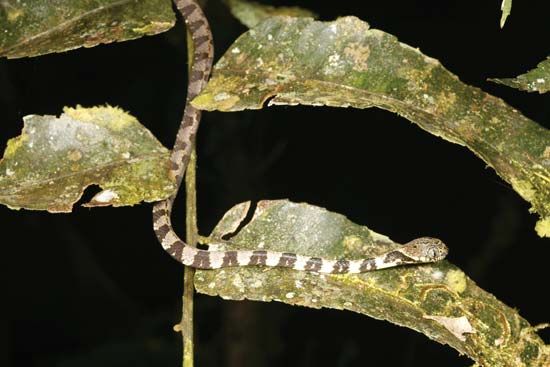
Snail-eating snakes are specialized members of the Colubridae family, specifically belonging to the Old World subfamily Pareinae and the New World subfamily Dipsadinae. While these two groups are not closely related, they have evolved similar morphological adaptations to facilitate their unique diet.1
Key characteristics include:
- Specialized Jaw Structure: These snakes possess significant modifications to their teeth, toothed bones, and lower jaw. Unlike most snakes, the connection between the upper jaw and the quadrate is lost, resulting in four independent jaw units rather than two. This allows the snake to hold a snail with three jaws while the fourth is advanced, enabling them to insert the lower jaw into a shell and extract the snail’s body.23
- Dentition: They feature long, delicate teeth. The front teeth of the upper jaw are used to seize the snail, while the lower teeth are used to draw the prey from its shell as the jaw is retracted.1
- Physical Traits and Behavior: Typically, these snakes are small, slender, and large-headed. They are generally nocturnal and arboreal, meaning they are active at night in trees. Both subfamilies are egg-layers.1
What role do snail-eating snakes play in their ecosystems?
Snail-eating snakes function as specialized predators within their respective ecosystems, primarily serving to regulate populations of snails and slugs. By preying on these gastropods, these snakes occupy a specific niche in the food chain, acting as a natural control mechanism for species that can otherwise become significant pests in agricultural or garden environments.451
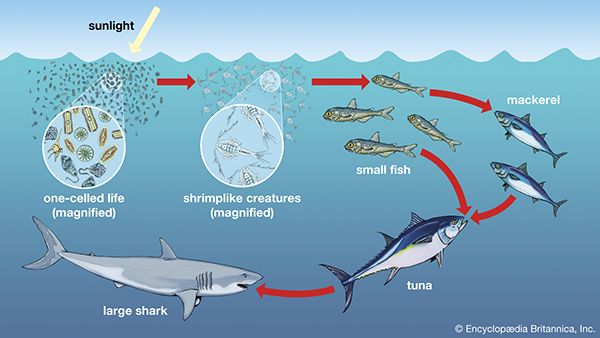
While these snakes are specialized in their diet, they are also part of a broader trophic pyramid. Like other snakes, they are secondary consumers that may themselves fall prey to various birds of prey, mammals, or other reptiles within their biological communities. Their presence contributes to the overall biodiversity of their habitats, as they help maintain the balance between gastropod populations and the vegetation or decaying matter those snails consume.2671
What are the main predators of snail-eating snakes?
Snail-eating snakes, like other snakes, occupy the role of secondary consumers within the trophic pyramid and are subject to predation by a variety of animals. While specific documentation for the predators of snail-eating snakes can be limited, they generally face threats from the same groups of predators that hunt other colubrid snakes.48
Common predators of snakes include:
- Birds of Prey: Hawks, eagles, owls, herons, crows, and roadrunners are well-equipped to spot and capture snakes from the air or ground.4
- Mammals: Various mammals, such as raccoons, weasels, coyotes, cats, and pigs, are known to hunt snakes.42
- Other Reptiles: Monitor lizards and other snakes, such as king snakes—which are known for their cannibalistic tendencies—frequently prey upon smaller or different snake species. Additionally, snapping turtles are known to consume snakes in aquatic environments.43
How does the diet of snail-eating snakes compare to that of other snake species?
The diet of snail-eating snakes is highly specialized compared to the majority of snakes, which typically possess more generalized feeding habits. While most carnivorous reptiles consume a wide variety of prey—such as insects, birds, mammals, or other vertebrates—snail-eating snakes have evolved specific morphological adaptations to target snails and slugs.12
These adaptations include specialized teeth, toothed bones, and a unique lower jaw structure. Unlike snakes that use constriction to suffocate prey or venom to immobilize it, snail-eating snakes use their delicate teeth to seize the snail’s body. They then move their lower jaw forward to extract the mollusk directly from its shell as the jaw retracts.111
In contrast, many other snake species rely on broader strategies, such as trailing prey using the Jacobson’s organ or employing venom glands and specialized fangs to handle elusive or dangerous prey like small mammals. While some snakes have evolved unique tools for specific environments—such as the sea snake Microcephalophis—the snail-eating snake’s anatomy is uniquely dedicated to the mechanical challenge of shell extraction.1
Sources
- snail-eating snake — Encyclopædia Britannica
- snake - Specializations for securing food — Encyclopædia Britannica
- snake - Skull and sense organs — Encyclopædia Britannica
- What eats snakes? — Encyclopædia Britannica
- apex predator — Encyclopædia Britannica
- gastropod - Ecology and habitats — Encyclopædia Britannica
- gastropod - Importance to humans — Encyclopædia Britannica
- brown tree snake — Encyclopædia Britannica
- Black rat snake — Encyclopædia Britannica
- turtle - Feeding behaviour — Encyclopædia Britannica
- reptile - Feeding habits — Encyclopædia Britannica
- gastropod - Evolution and paleontology — Encyclopædia Britannica
- snake - Natural history — Encyclopædia Britannica
Published on · 3 min read