What’s the Difference Between Angiosperms and Gymnosperms?
Angiosperms and gymnosperms are the two primary groups of vascular seed plants, sharing similarities such as the use of pollen for fertilization and the…
What’s the Difference Between Angiosperms and Gymnosperms?
Angiosperms and gymnosperms are the two primary groups of vascular seed plants, sharing similarities such as the use of pollen for fertilization and the presence of xylem and phloem for transport.12
The fundamental differences between them include:
- Seed Development: Angiosperms produce seeds enclosed within an ovary that typically develops into a protective fruit. Gymnosperms produce “naked seeds,” which are usually formed on exposed leaflike structures within cones (strobili) rather than inside an ovary.134
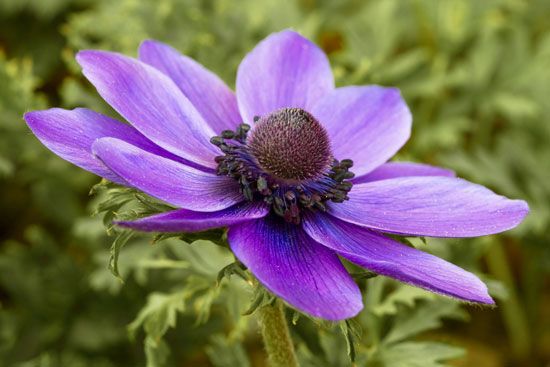
- Reproductive Structures: Angiosperms possess flowers for reproduction, whereas gymnosperms lack flowers and fruits.12
- Fertilization: Angiosperms undergo a unique process called double fertilization, which results in the formation of endosperm as a food-storage tissue. Gymnosperms do not perform double fertilization; their food-storage tissue develops from the female gametophyte.35
- Conducting Tissues: Most angiosperms contain specialized water-conducting vessels, a feature generally absent in gymnosperms (with the exception of the Gnetophyta).13
How do insects and animals help in the pollination of angiosperms?
Insects and animals facilitate the pollination of angiosperms through a process of coevolution where plants provide rewards, such as nectar or pollen, in exchange for the transfer of pollen between flowers.89
Insect Pollinators
Bees are the most significant insect pollinators, often possessing physical adaptations like hairy bodies and pollen baskets that collect and deposit pollen as they forage. Flowers pollinated by bees frequently feature bright colors (yellow or blue), landing platforms, and nectar guides to direct the insects. Other insects, such as flies, butterflies, and moths, also play vital roles. Some plants use specialized tactics to attract specific insects, such as “carrion flowers” that mimic the scent of rotting meat to attract flies, or orchids that use pheromones to lure male wasps through pseudocopulation.10118
Vertebrate Pollinators
Vertebrate pollinators include birds, bats, and small mammals. Hummingbirds, for instance, are attracted to bright red, odorless flowers that provide copious nectar. Bat-pollinated flowers typically open at night, emit strong fragrances, and are structured to allow easy access for the bats.8
This mutualistic relationship is driven by the self-interest of both parties: plants evolve traits to maximize pollination efficiency, while animals forage to extract energy-rich food sources.9
What are some common examples of gymnosperms found in nature?
Gymnosperms, which literally means “naked seeds,” are categorized into four distinct living divisions. Common examples found in nature include:
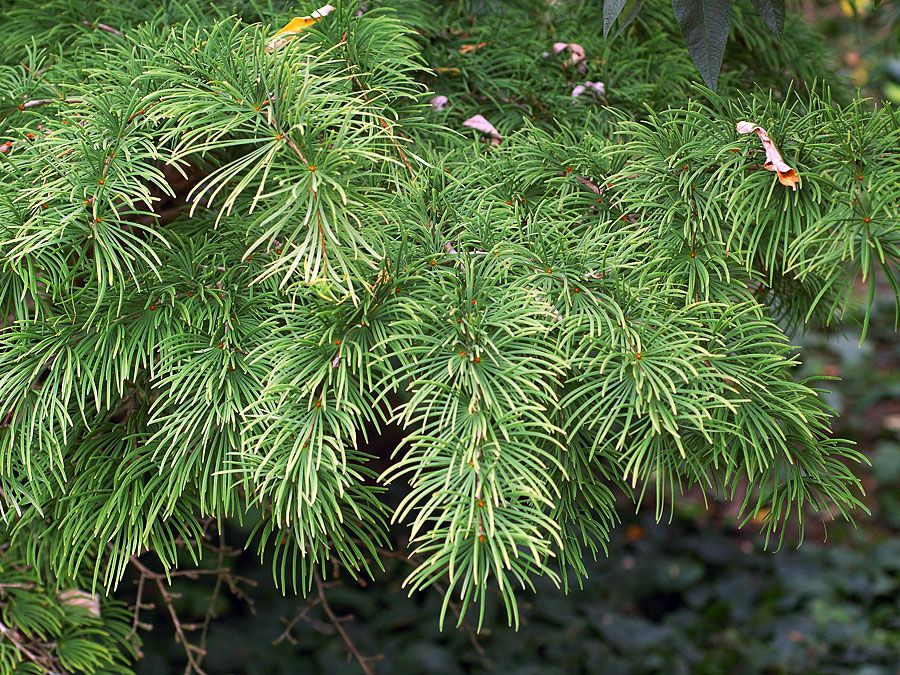
- Conifers (Division Pinophyta): These are the most familiar gymnosperms, typically characterized by needle-shaped or scalelike evergreen leaves and woody cones. This group includes well-known trees such as pine, larch, and bald cypress.131415
- Cycads (Division Cycadophyta): Often found in tropical and subtropical regions, these ancient plants have a palmlike appearance with a columnar trunk and a crown of large, divided leaves.13
- Ginkgophytes (Division Ginkgophyta): Represented today by a single surviving species, the Ginkgo biloba (maidenhair tree), which is easily recognized by its unique fan-shaped leaves.13
- Gnetophytes (Division Gnetophyta): This group consists of three unusual genera, including Ephedra, which grows as a shrub in dry regions; Gnetum, which includes vines and trees in tropical forests; and the highly specialized Welwitschia, found in extreme African deserts.13
Why is the development of fruit considered an advantage for angiosperms?
The development of fruit provides a significant evolutionary advantage for angiosperms primarily by facilitating effective seed dispersal. By enclosing ovules within an ovary that matures into a fruit, plants can protect their developing seeds and utilize various mechanisms to transport them away from the parent plant.1617
This process is a key example of coevolution between plants and animals. Fleshy, sweet, and brightly colored fruits attract vertebrates, such as birds and mammals, which consume the fruit and subsequently disperse the seeds—often after they have passed through the animal’s alimentary canal or have been regurgitated—at a distance from the original site. This movement is crucial for colonizing new areas and reducing competition with the parent plant.1618
Beyond animal-mediated dispersal, fruits have evolved diverse adaptations to exploit other agents:
- Wind: Some fruits possess wings or feathery structures that allow them to be carried by air currents.1617
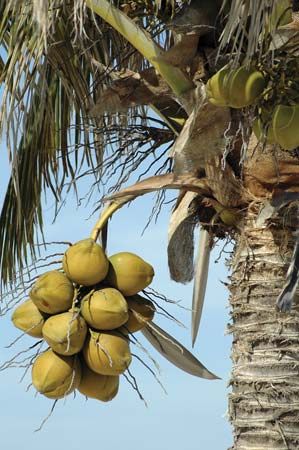
- Water: Certain fruits, such as coconuts, contain tissues like aerenchyma that enable them to float, facilitating transport across aquatic environments.1617
- Mechanical attachment: Barbed fruits can adhere to the fur or skin of passing animals, hitching a ride to new locations.1617
Sources
- What’s the Difference Between Angiosperms and Gymnosperms? — Encyclopædia Britannica
- Angiosperm - Paleobotany and evolution — Encyclopædia Britannica
- Seed - Gymnosperm seeds — Encyclopædia Britannica
- Angiosperm: Top Questions — Encyclopædia Britannica
- Angiosperm - General features — Encyclopædia Britannica
- Angiosperm - General characteristics — Encyclopædia Britannica
- Seed - Angiosperm seeds — Encyclopædia Britannica
- Angiosperm - Pollination — Encyclopædia Britannica
- Pollination - Evolution of insect pollination — Encyclopædia Britannica
- Major types of pollinators - Bees — Encyclopædia Britannica
- Why are bees important? — Encyclopædia Britannica
- community ecology - The evolution of mutualism — Encyclopædia Britannica
- Plant - Gymnosperms — Encyclopædia Britannica
- conifer — Encyclopædia Britannica
- gymnosperm — Encyclopædia Britannica
- Angiosperm - Mechanisms of dispersal — Encyclopædia Britannica
- Fruit - Dispersal — Encyclopædia Britannica
- Plant - Fruits and seeds — Encyclopædia Britannica
- Plant reproductive system - Physiology of plant reproduction — Encyclopædia Britannica
Published on · 3 min read